Sustainable Packaging: A Complete Guide for Modern Brands
2025-12-10
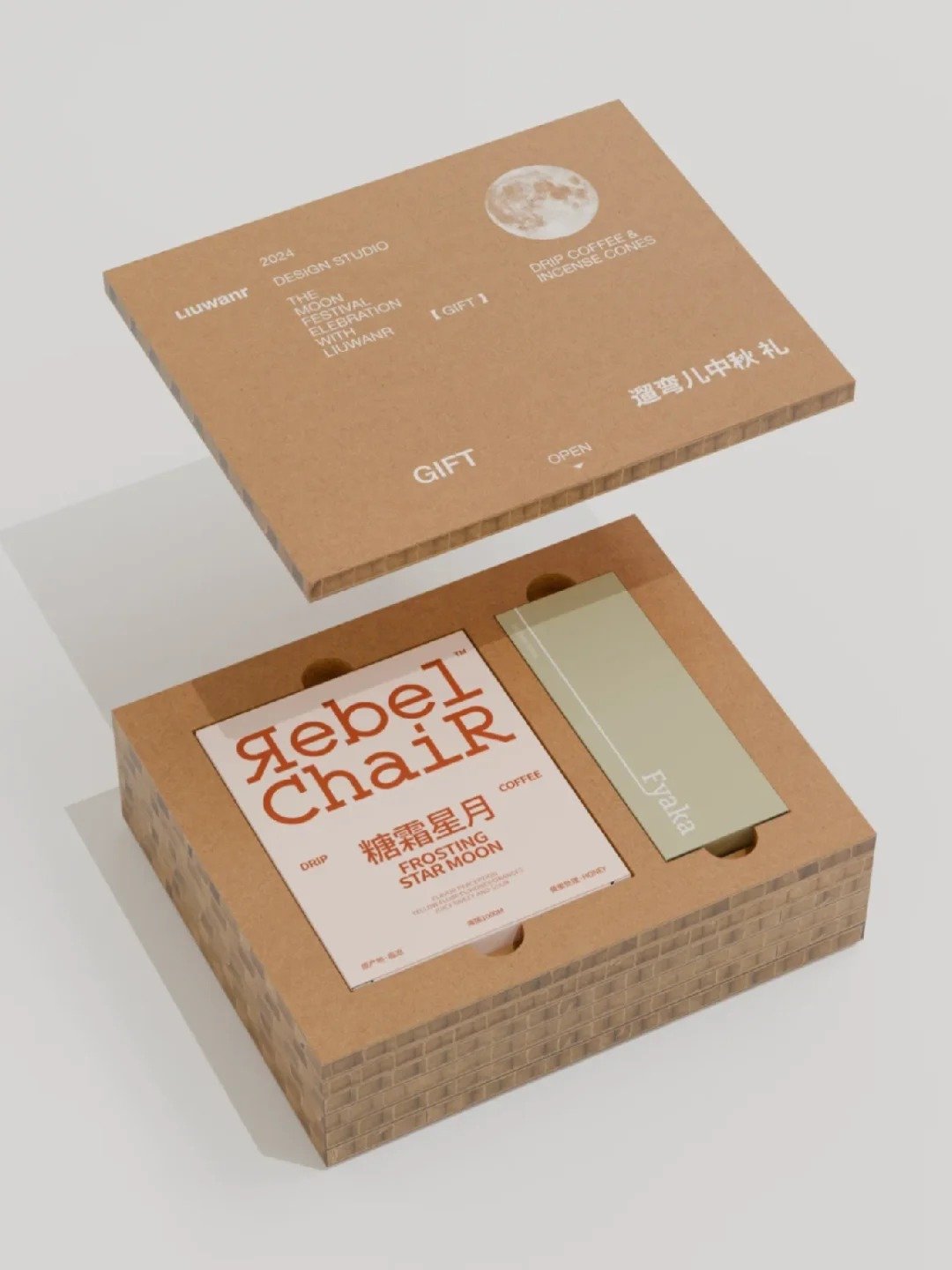
Sustainable Packaging
As consumers become more environmentally aware, sustainable packaging has transformed from a trend into a business essential. Brands across all industries — from food and cosmetics to e-commerce — are shifting toward eco-friendly materials to reduce waste, lower carbon footprints, and improve customer perception. But what exactly is sustainable packaging, and how can you choose the right solution for your products?
This comprehensive guide will help you understand the fundamentals, explore popular materials, compare costs, and discover practical strategies for making the switch.
What Is Sustainable Packaging?
Sustainable packaging refers to packaging materials and systems designed to minimize environmental impact throughout their lifecycle — from sourcing to disposal. To be considered sustainable, packaging typically:
- Uses renewable, biodegradable, or recycled materials
- Reduces waste and carbon emissions
- Is recyclable, reusable, or compostable
- Requires minimal energy to produce
- Avoids harmful chemicals and excess packaging
In short, sustainable packaging protects both products and the planet .
Why Sustainable Packaging Matters
1. Rising Consumer Demand
Customers today increasingly prefer brands that use eco-friendly packaging. In many markets, over 70% of consumers say sustainability influences their purchasing choices .
2. Reduced Environmental Impact
By switching to greener materials, businesses can significantly reduce solid waste, ocean pollution, and greenhouse gas emissions.
3. Brand Differentiation
Eco-friendly packaging strengthens brand identity and positions your business as responsible and forward-thinking.
4. Compliance With Global Regulations
Governments worldwide are implementing stricter packaging and waste regulations — making sustainability not just beneficial but necessary.
Common Types of Sustainable Packaging Materials
sustainable packaging solutions
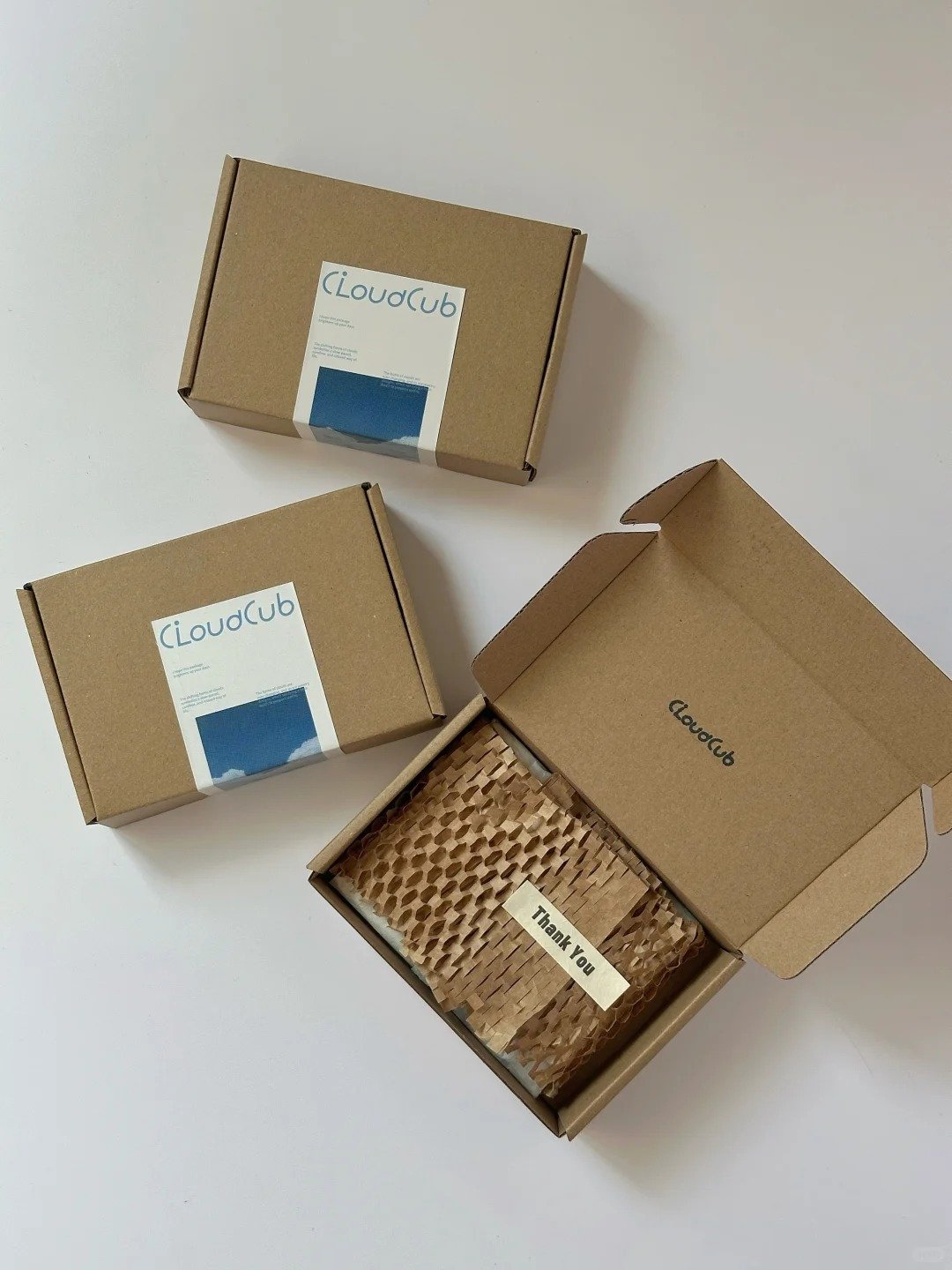
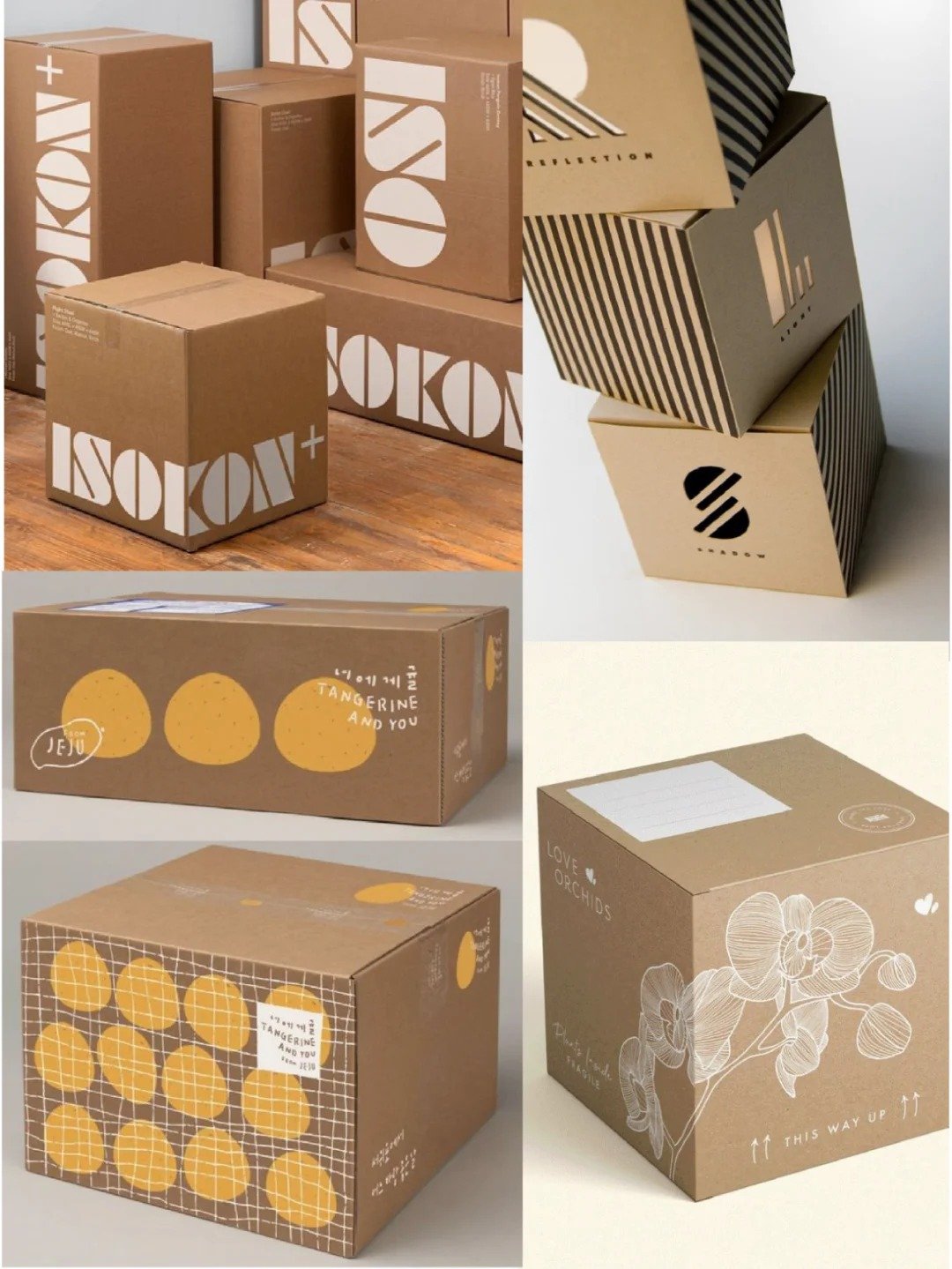
- Versatile, cost-effective, and highly recyclable
- Great for shipping boxes, retail packaging, and inserts
- FSC-certified paper ensures responsible sourcing
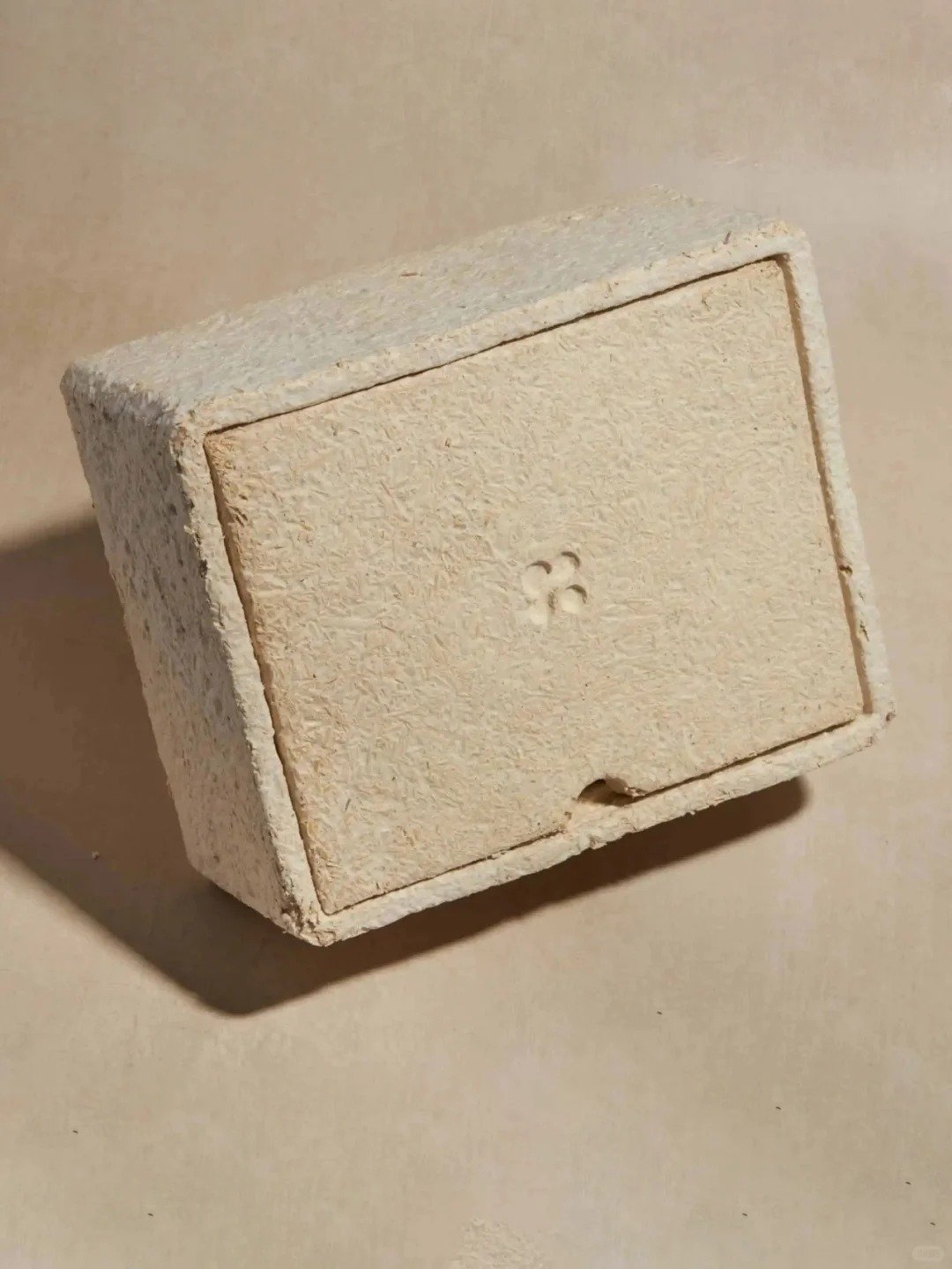
- Includes plant fibers like: Sugarcane bagasse Cornstarch PLA Bamboo pulp Mushroom packaging These materials break down naturally, making them ideal for food, cosmetics, and lightweight retail packaging.
- Sugarcane bagasse
- Cornstarch PLA
- Bamboo pulp
- Mushroom packaging
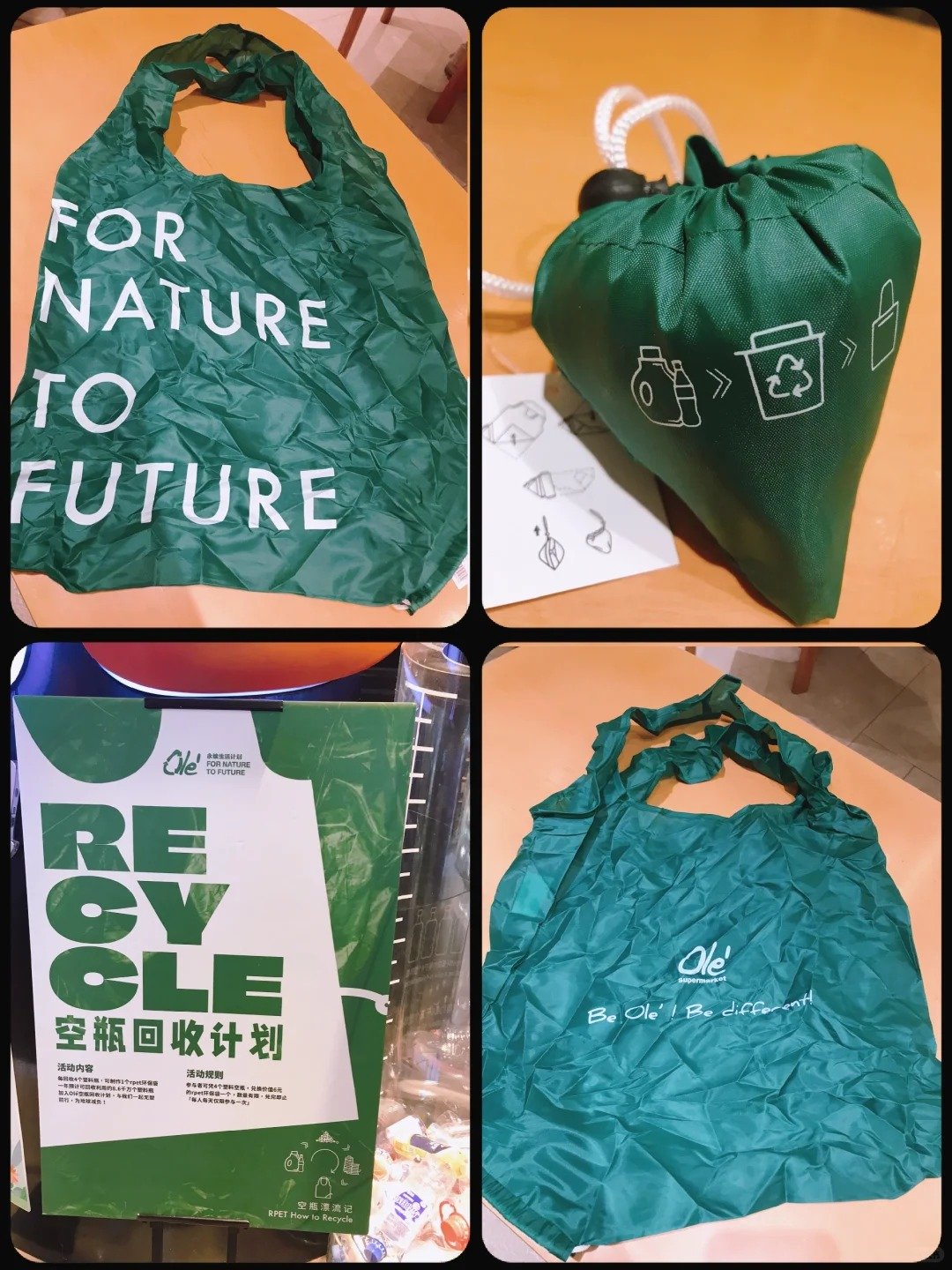
- Examples: Fabric tote bags Glass jars Reinforced boxes for returns Reusable systems support circular economy models, especially in fashion and e-commerce.
- Fabric tote bags
- Glass jars
- Reinforced boxes for returns Reusable systems support circular economy models, especially in fashion and e-commerce.
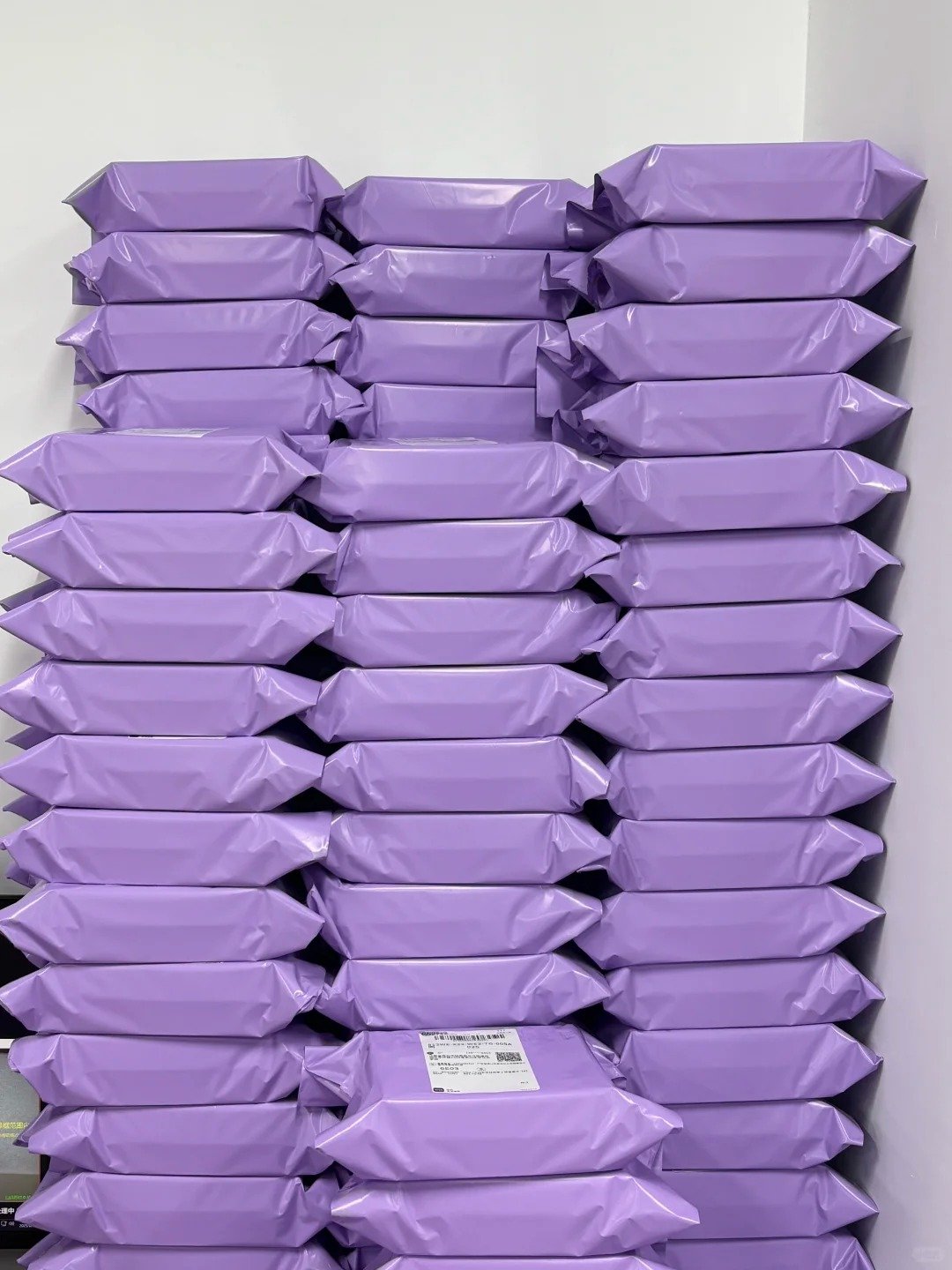
- Made from post-consumer recycled bottles Common in food packaging, beverage containers, and personal care products Reduces dependence on new plastic production
- Made from post-consumer recycled bottles
- Common in food packaging, beverage containers, and personal care products
- Reduces dependence on new plastic production
Sustainable Packaging for Different Industries
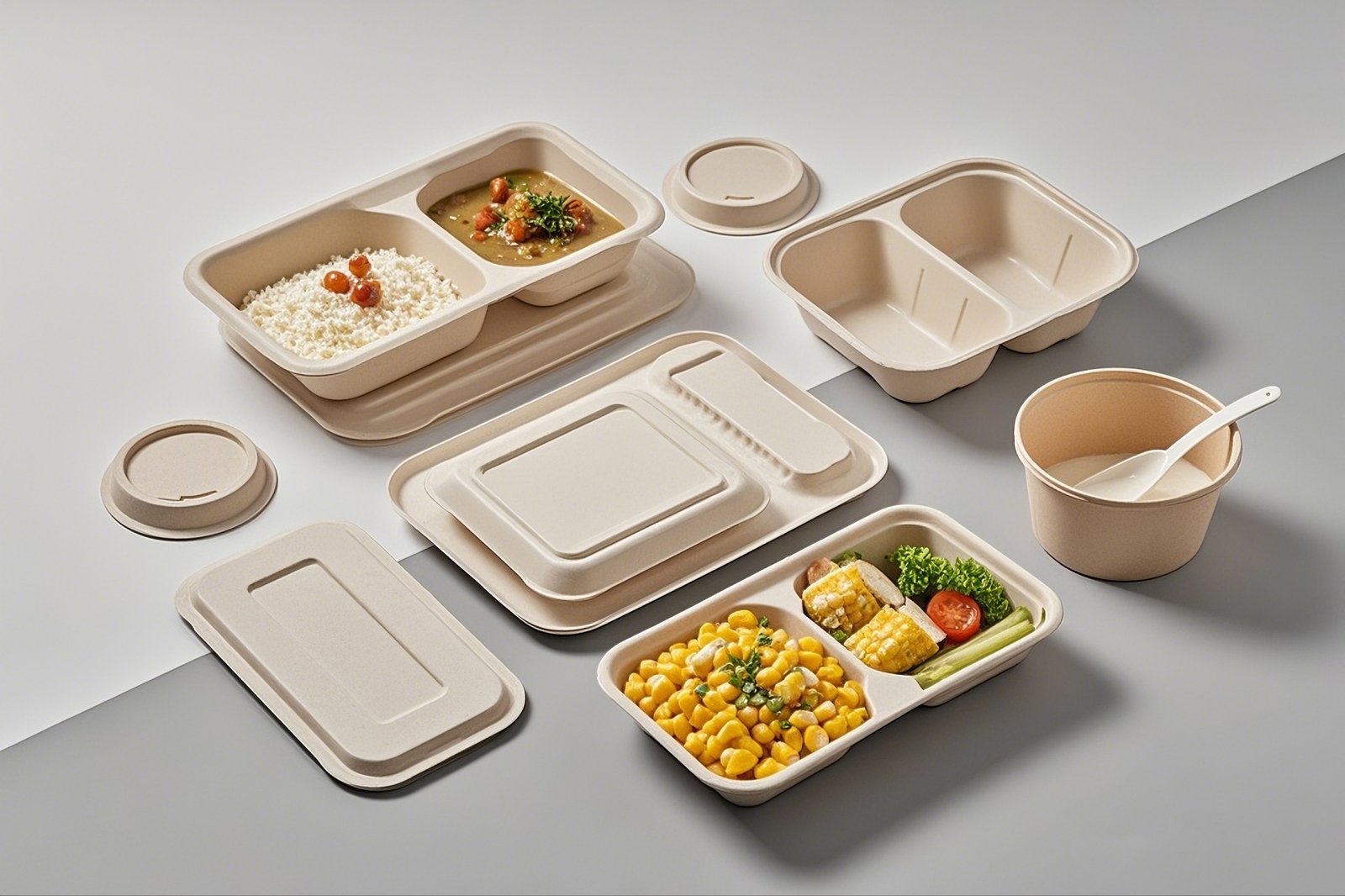
- Requires food-safe, durable materials such as: Compostable bags Recyclable paper containers Bio-based trays rPET bottles
- Compostable bags
- Recyclable paper containers
- Bio-based trays
- rPET bottles
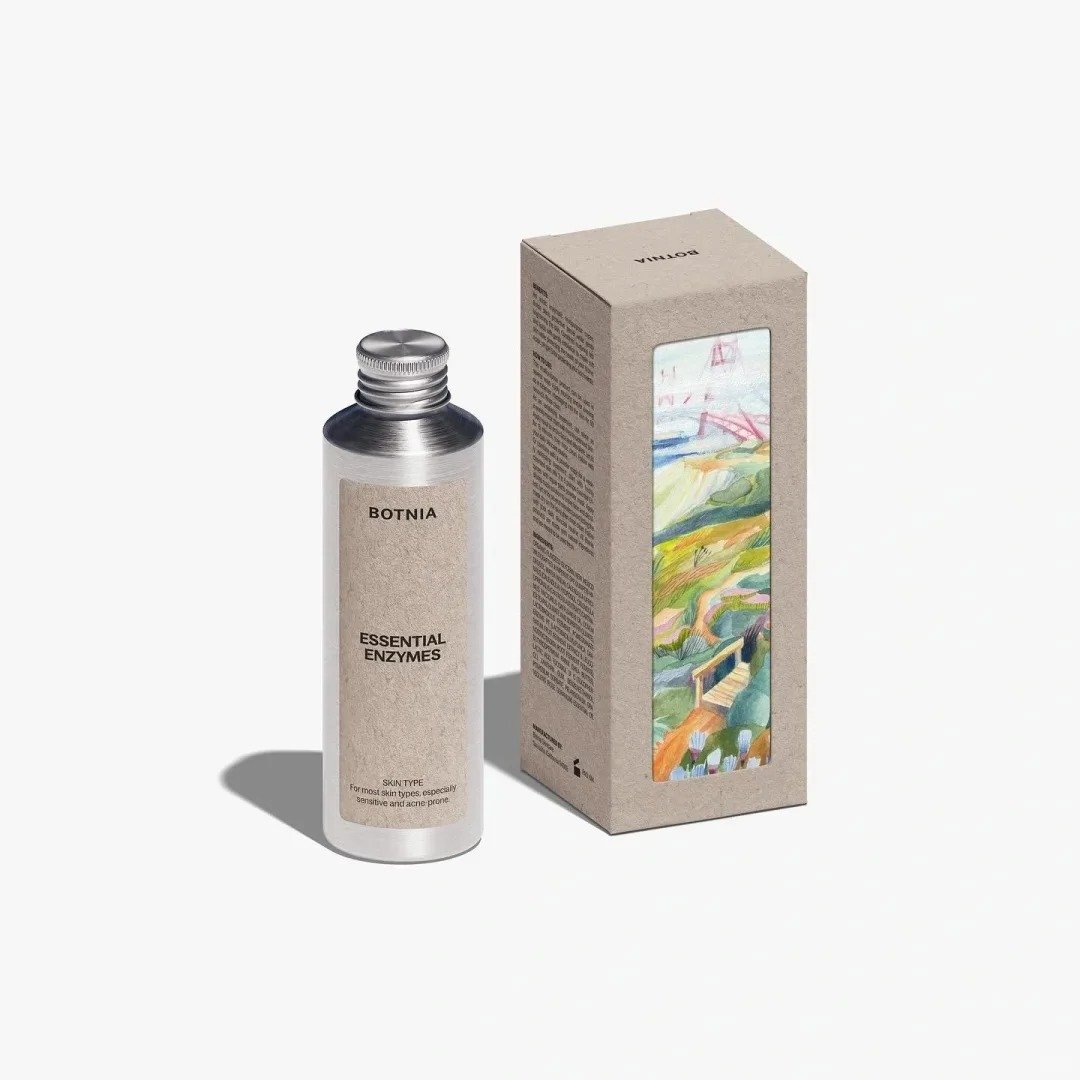
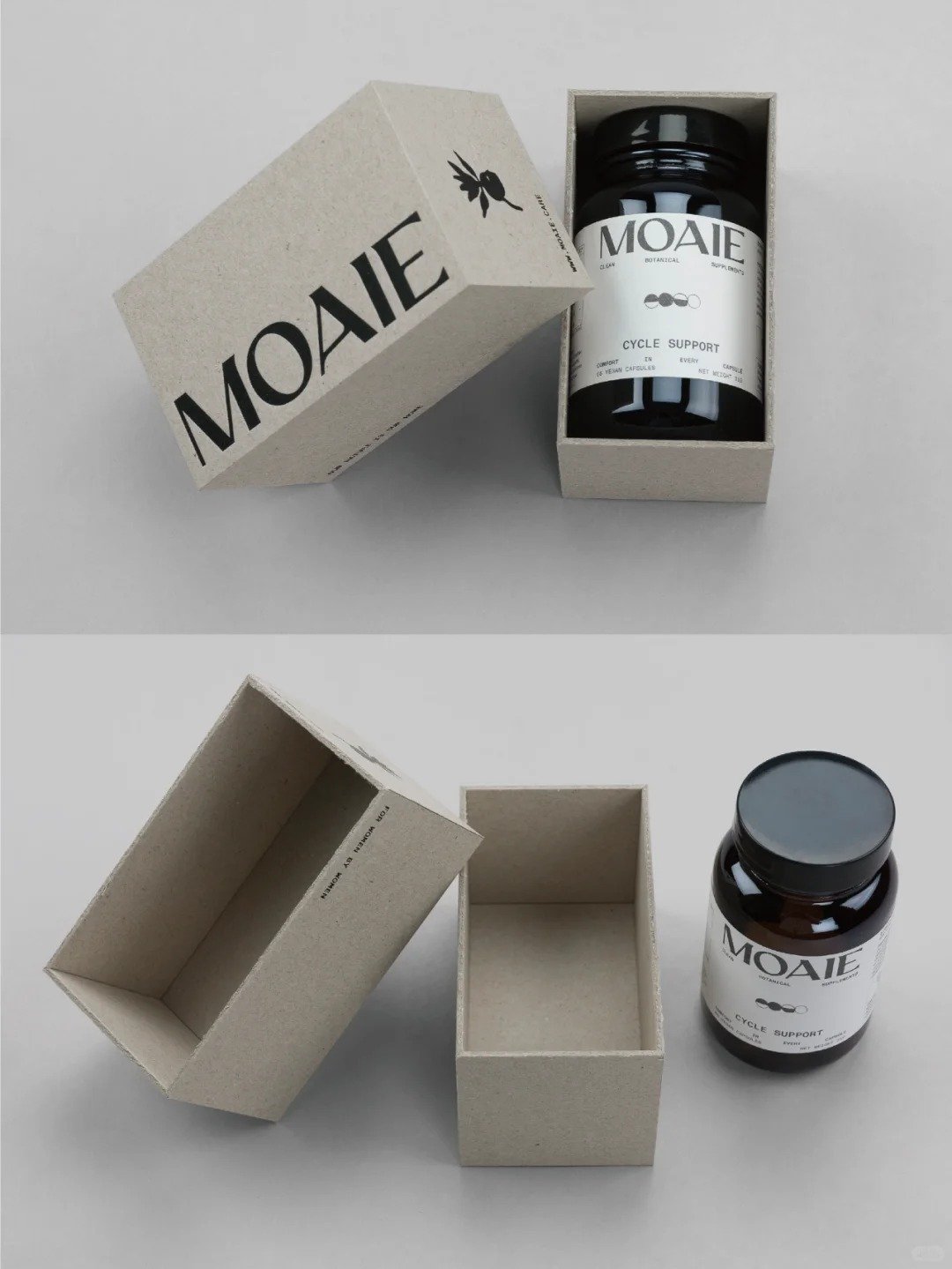
- Popular choices include: Refillable containers Recyclable glass jars Kraft paper boxes Molded pulp trays (eco-friendly replacement for plastic inserts)
- Refillable containers
- Recyclable glass jars
- Kraft paper boxes
- Molded pulp trays (eco-friendly replacement for plastic inserts)
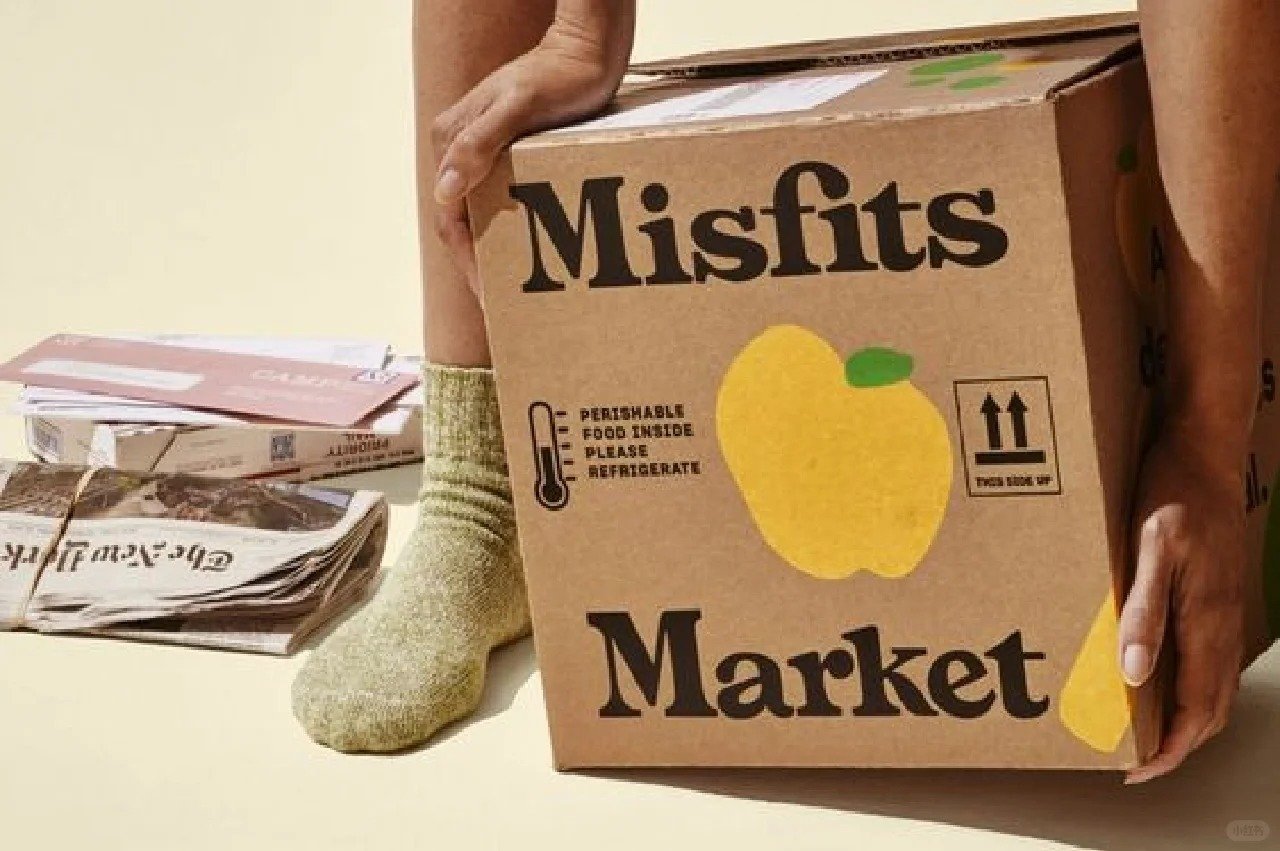
- E-commerce brands can reduce waste with: Recyclable mailer bags Corrugated shipping boxes Reusable return packaging Paper-based void fill instead of plastic fillers
- Recyclable mailer bags
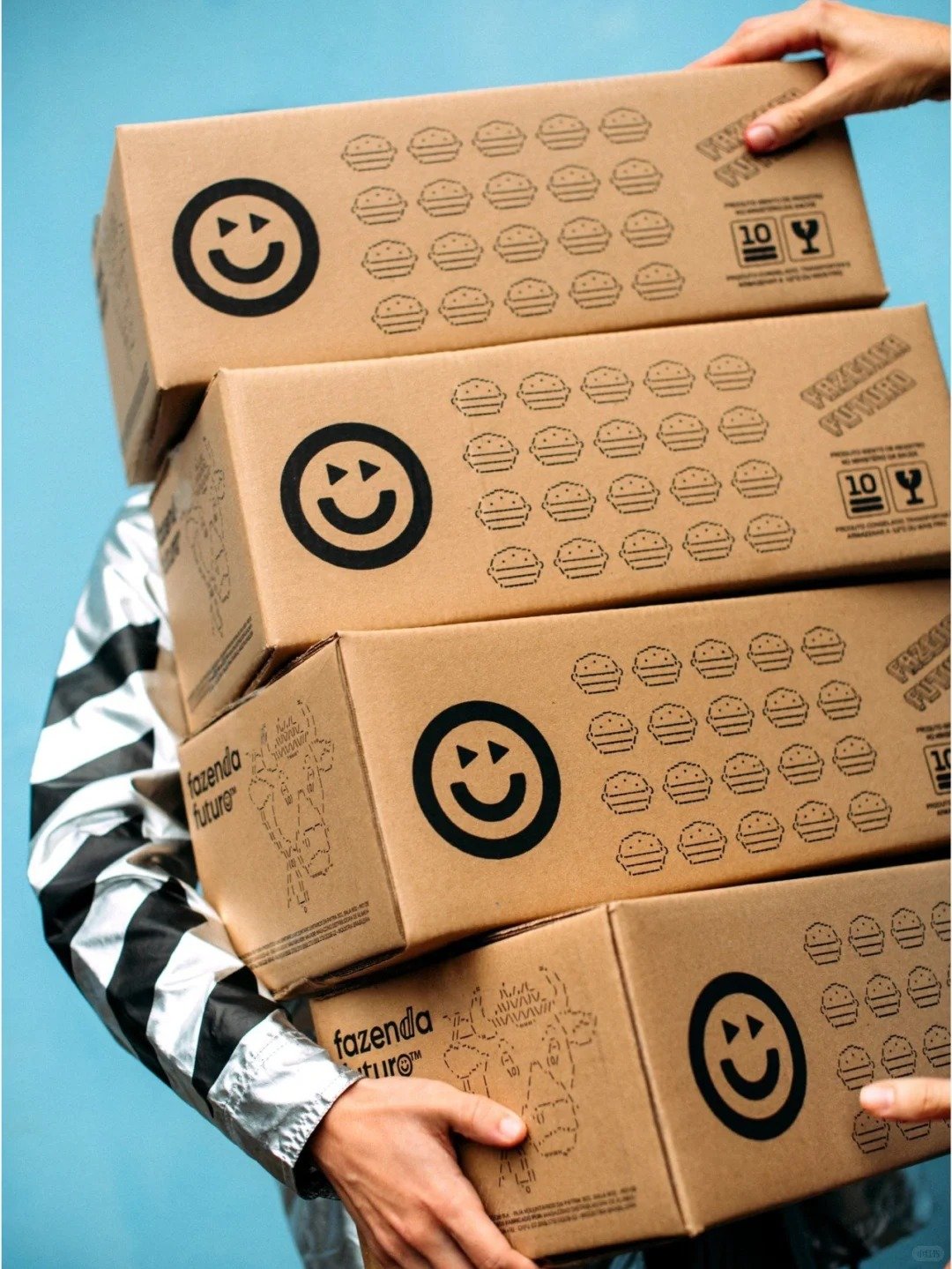
- Corrugated shipping boxes
- Reusable return packaging
- Paper-based void fill instead of plastic fillers
Not always. While some eco-friendly materials cost more upfront, businesses often save money by:
- Using smaller or lighter packaging
- Reducing shipping costs
- Improving supply efficiency
- Building long-term brand loyalty
- Avoiding regulatory penalties
Additionally, demand is rising, so costs continue to decrease.
How to Choose the Right Sustainable Packaging for Your Products
1. Analyze Your Product Needs
Consider:
- Fragility
- Weight
- Moisture sensitivity
- Retail vs. e-commerce shipping
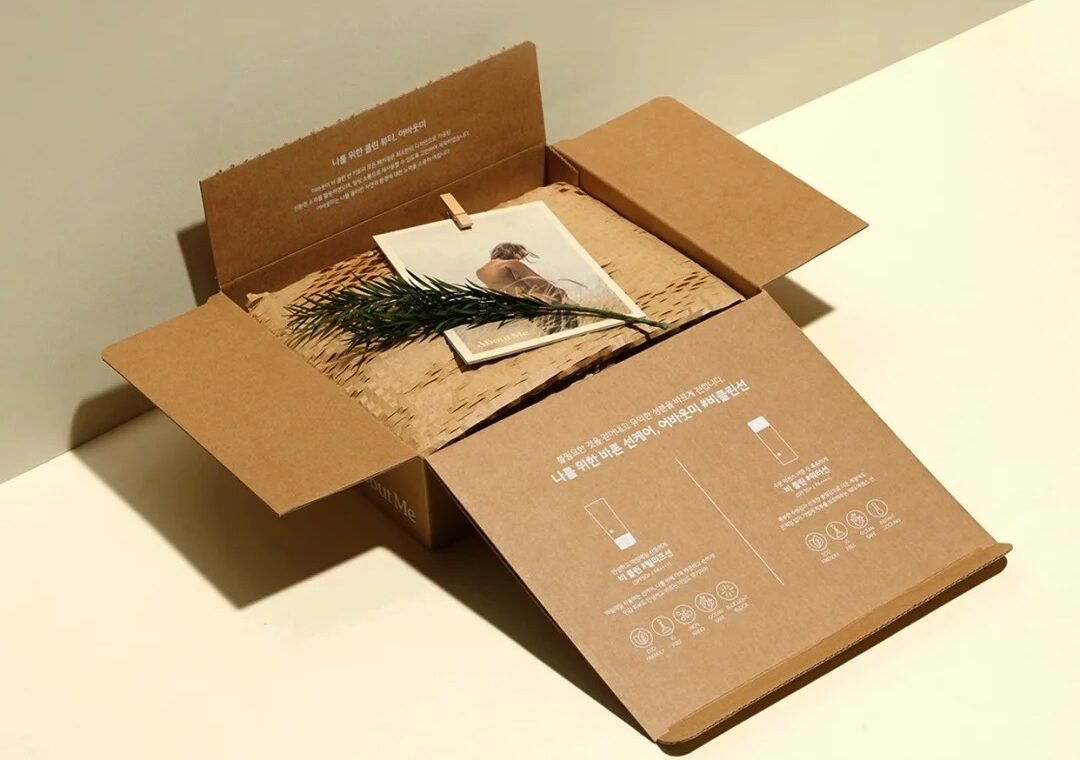
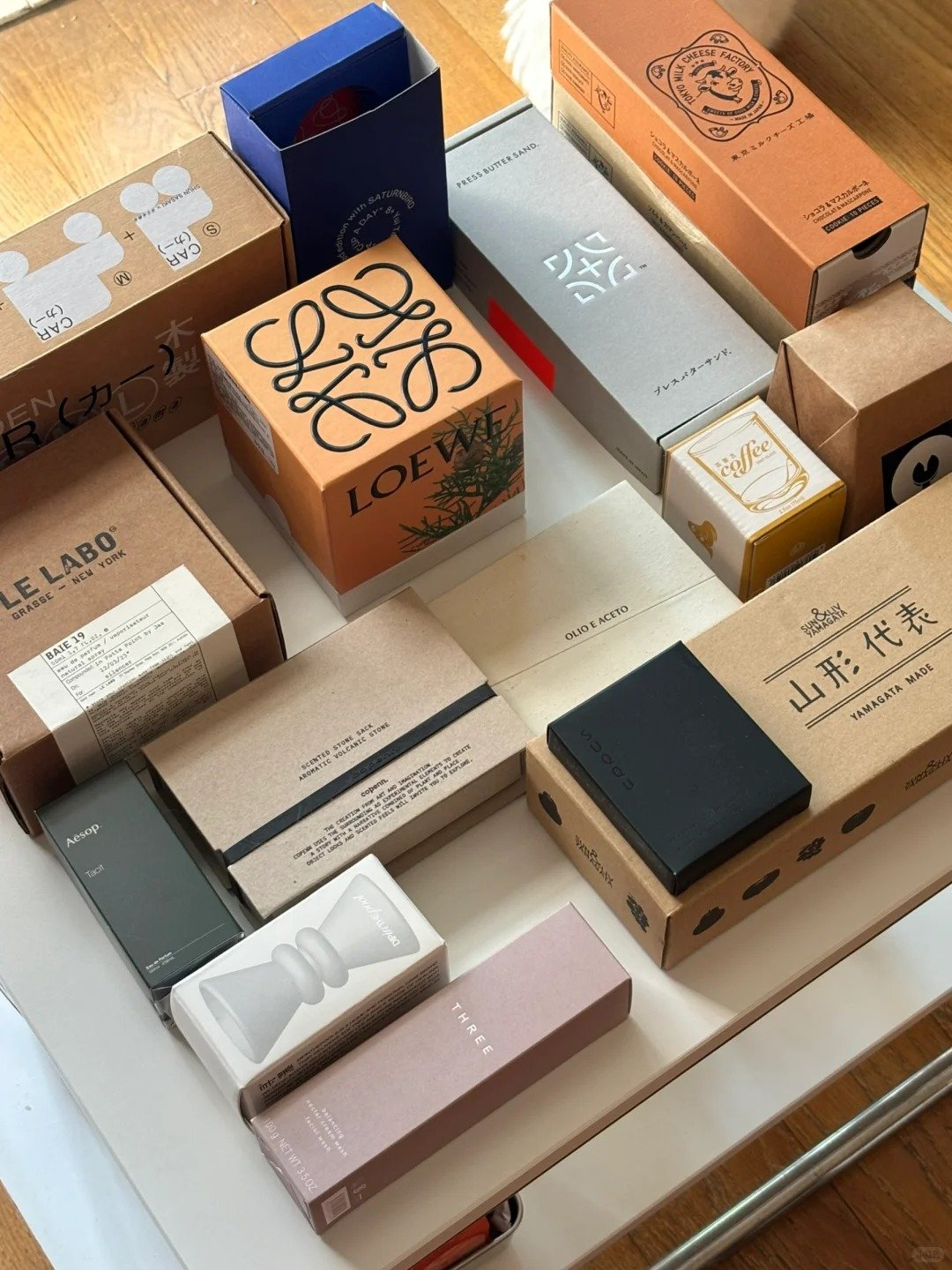
2: Compare Sustainable Materials
Ask:
- Is it recyclable, compostable, or reusable?
- Is sourcing ethical and certified?
- Will it reduce your carbon footprint?
3. Check Certifications (Very Important for Authenticity)
Look for internationally recognized sustainability labels:
| Certification | Meaning |
| FSC | Responsible forest management for paper products |
| BPI Compostable | Meets compostability standards |
| OK Compost / EN 13432 | Industrial compostable certification |
| USDA BioPreferred | Verified plant-based material |
| Green Seal | Environmentally responsible product standards |
| Recycled Content Certifications (SCS, UL) | Validates % of recycled materials |
4. Evaluate Customer Experience
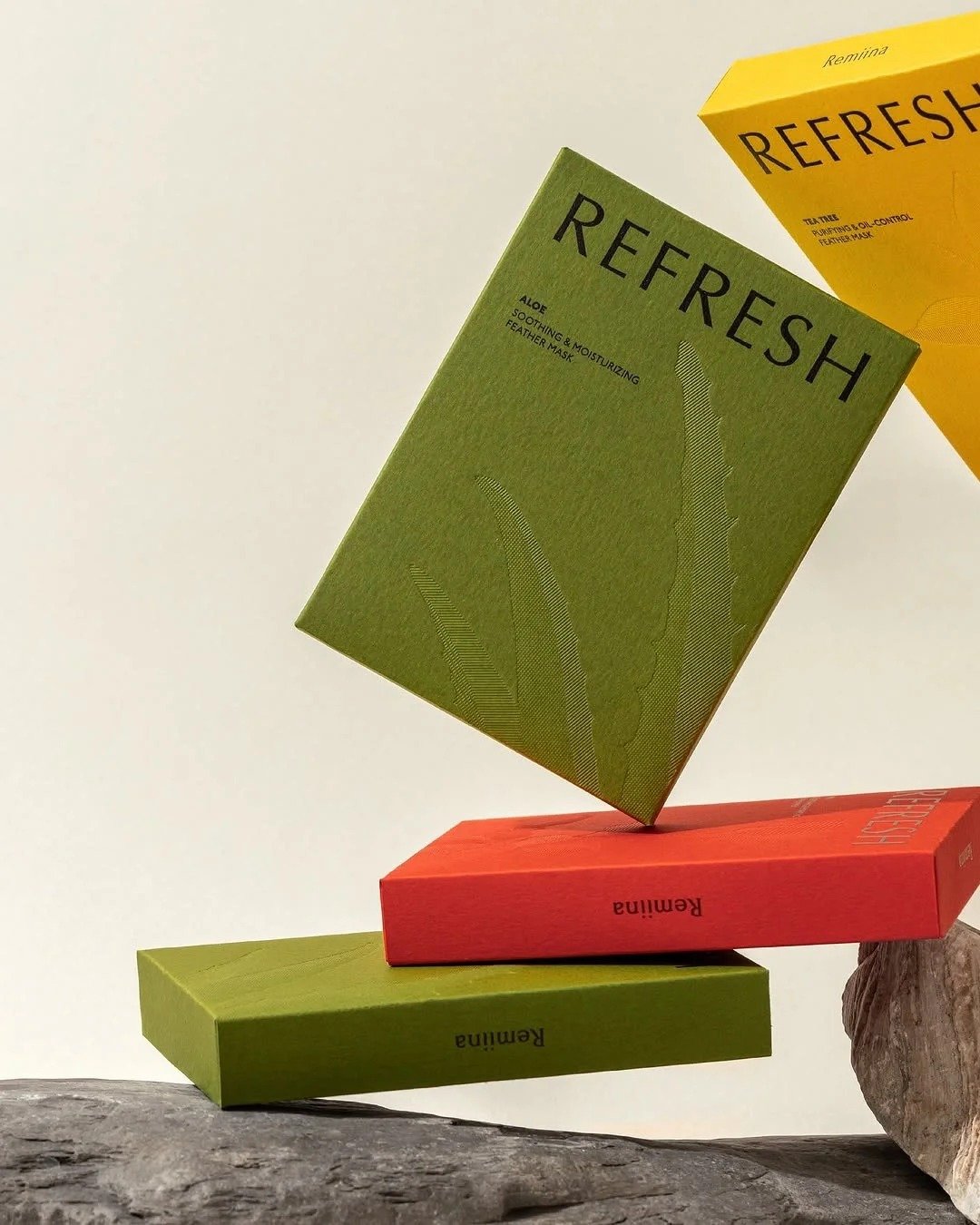
Eco-friendly designs should still feel premium:
- Smooth unboxing
- Easy to recycle
- Minimal, clean branding
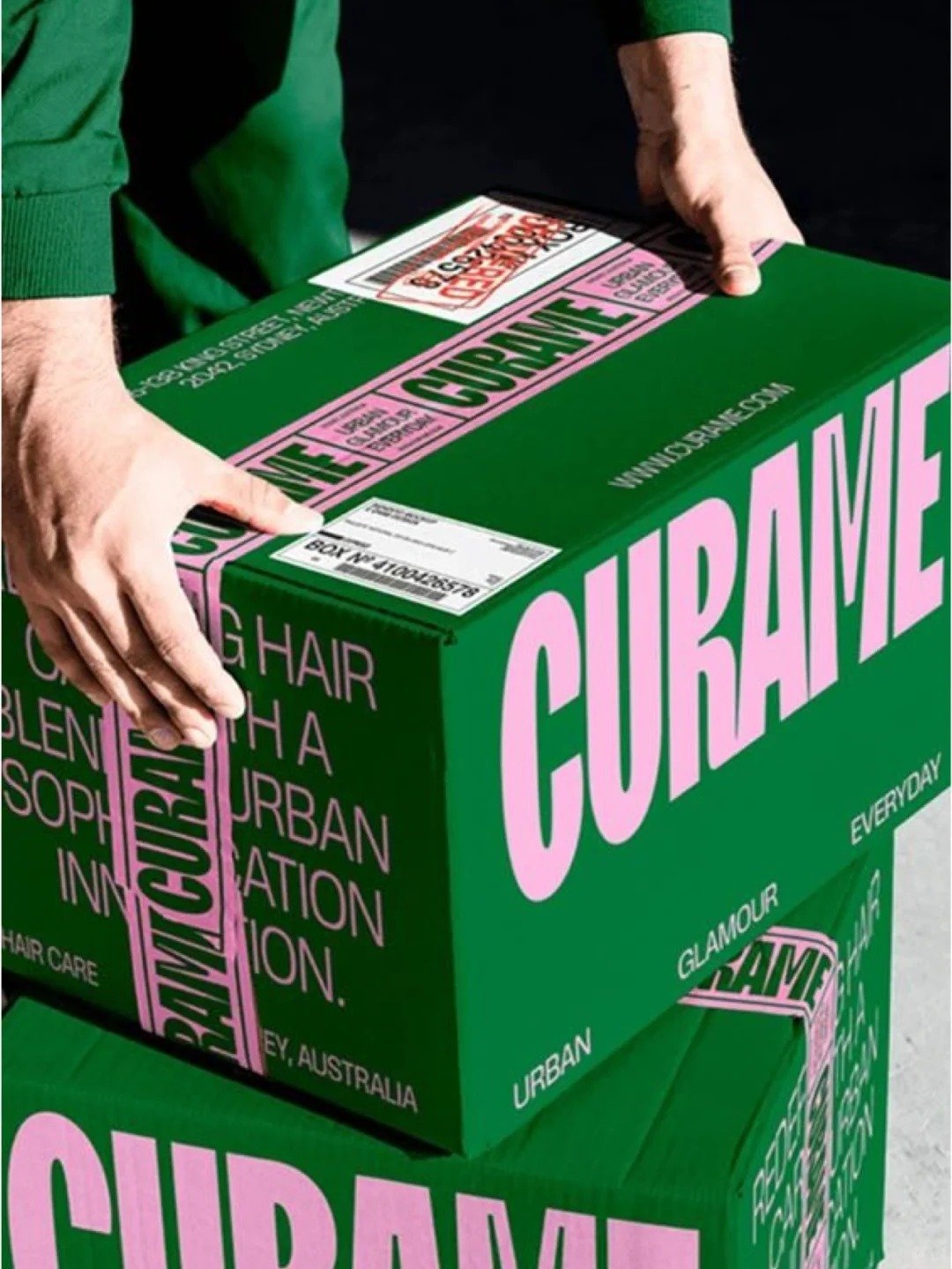
5. Test Durability & Performance
Make sure the packaging can protect your product during shipping and handling.
FAQ
No. Biodegradable simply means it breaks down eventually. Compostable materials break down faster and into non-toxic components under proper conditions.
Materials such as molded pulp, recycled paper, and plant-based bioplastics are among the top sustainable choices.
- Start with recyclable kraft paper or cardboard
- Reduce packaging size
- Replace plastic inserts with molded pulp
- Order in bulk for lower cost
Yes — eco-friendly packaging significantly improves customer trust and brand preference.
Future Trends in Sustainable Packaging
The industry is rapidly innovating. Key trends include:
- Plant-based bioplastics
- Edible packaging films
- Water-soluble packaging
- AI-optimized packaging sizes
- Refillable and circular systems
- Zero-waste shipping solutions
As technology advances, sustainable packaging will become even more accessible, affordable, and high-performing.
Sustainable Packaging Is No Longer Optional
For modern businesses, choosing sustainable packaging is a strategic move that benefits the environment, enhances brand value, and meets rising consumer expectations. Whether you’re launching a new product or redesigning your existing packaging, eco-friendly solutions help your brand stand out while contributing to a healthier planet.