Food Packaging: How to Choose the Right Type
2025-11-28
Food Packaging
Learn how to choose the right food packaging for your products. Simple guidance on materials, safety, sustainability, and industry-specific packaging options.
How to Choose the Right Food Packaging for Your Products
Choosing the right food packaging is one of the most important decisions for any food business. Whether you’re selling baked goods, coffee, chocolate, pet treats, frozen foods, or fresh produce, the packaging you choose directly affects safety, shelf life, transportation, and customer trust.
This guide explains how to select the right packaging based on your product type, materials, sustainability needs, and industry standards. You don’t need technical knowledge—everything is explained in simple, practical terms.
Why Food Packaging Matters
Food packaging does far more than hold your product. It protects freshness, prevents contamination, improves shelf stability, and ensures compliance with food-safety regulations. Good packaging also helps maintain temperature conditions for items like ice packaging and frozen food packaging .
Some products require high protection—like coffee packaging , tea packaging , vacuum packaging bags , and chocolate packaging . Others rely more on presentation and convenience, such as cookie packaging , fruit packaging , or food packaging personalized bakery .
Growing trends such as eco friendly food packaging , compostable food packaging , and plant-based packaging films are also reshaping how businesses make packaging decisions.
Key Factors to Consider When Choosing Food Packaging
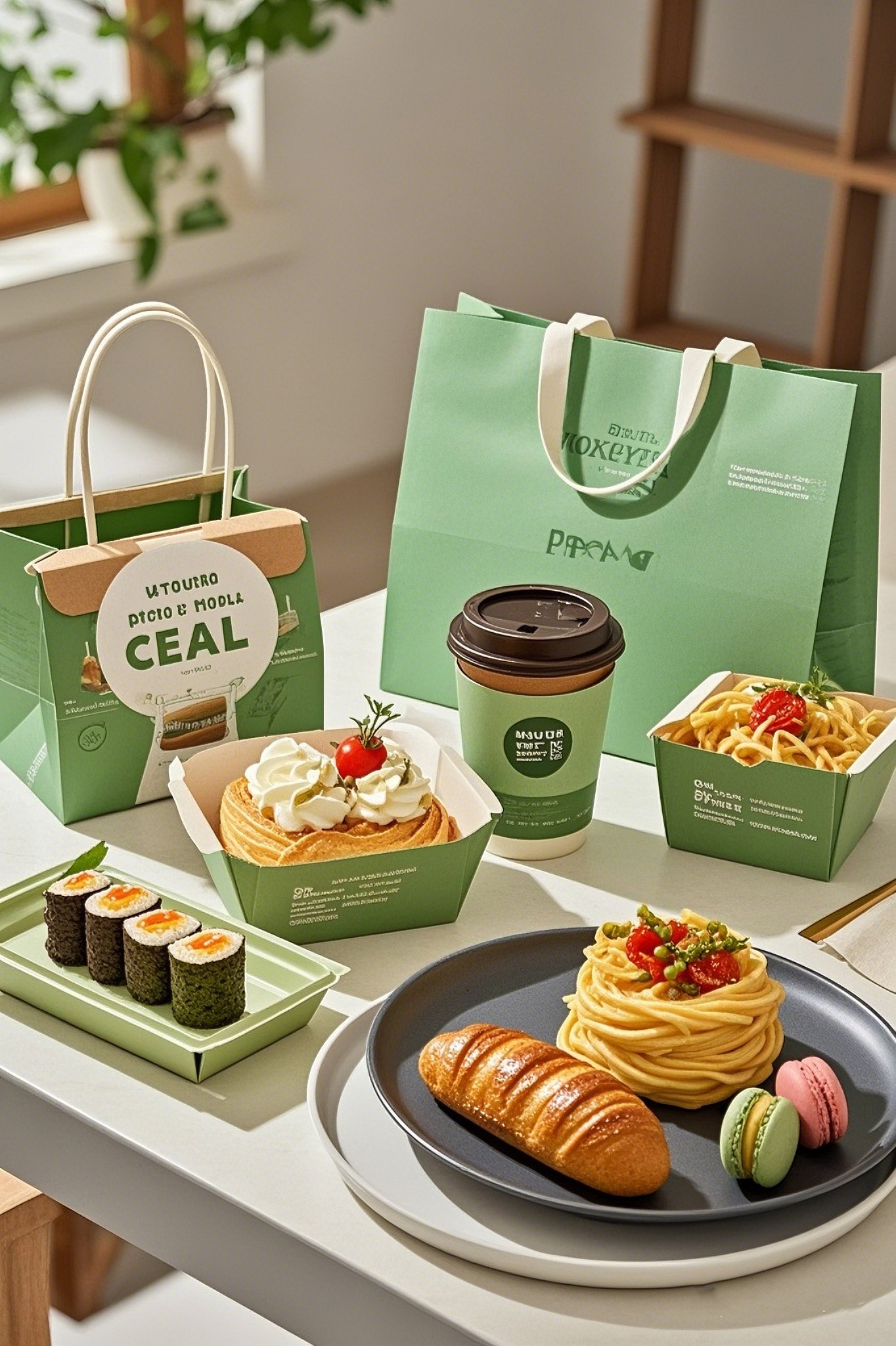
Product Type and Sensitivity
Each food item reacts differently to air, moisture, temperature, and light. Understanding these sensitivities helps you choose the right packaging:
- Dry snacks & cookies → moisture-proof cookie packaging
- Aromatic foods (coffee, tea, spices) → strong odor barrier coffee packaging or tea packaging
- Soft or meltable foods → insulated or foil-based chocolate packaging
- Cold-chain items → durable ice packaging , anti-fog frozen food packaging
- Fresh fruits & vegetables → breathable fruit packaging with vent holes
- Medical-grade foods → specialized Oliver healthcare packaging
- Pet treats & kibble → resealable pet food packaging
- Meals requiring long shelf life → vacuum packaging bags or MAP (Modified Atmosphere Packaging)
Material Selection
Choosing the right material impacts performance, price, and environmental impact.
Paper & Cardboard
Ideal for:
- Bakeries, cafes, confectionery
- Custom food packaging and food packaging personalized bakery
Benefits:
- Printable
- Eco-friendly options available
- Good for dry foods
Plastic (PET, PP, PE)
Ideal for:
- Frozen meals, liquids, ready-to-eat foods
Benefits:
- Lightweight
- Moisture-resistant
- Strong sealing properties
Low-difficulty keyword included: lightweight packaging solutions
Aluminum Foil Laminates
Ideal for:
- Coffee, tea, chocolate, greasy foods
Benefits:
- Strong oxygen and moisture protection
- Long shelf life
Compostable & Eco-Friendly Materials
Examples:
- Sugarcane fiber
- PLA bioplastic
- Compostable food packaging
- Eco friendly food packaging
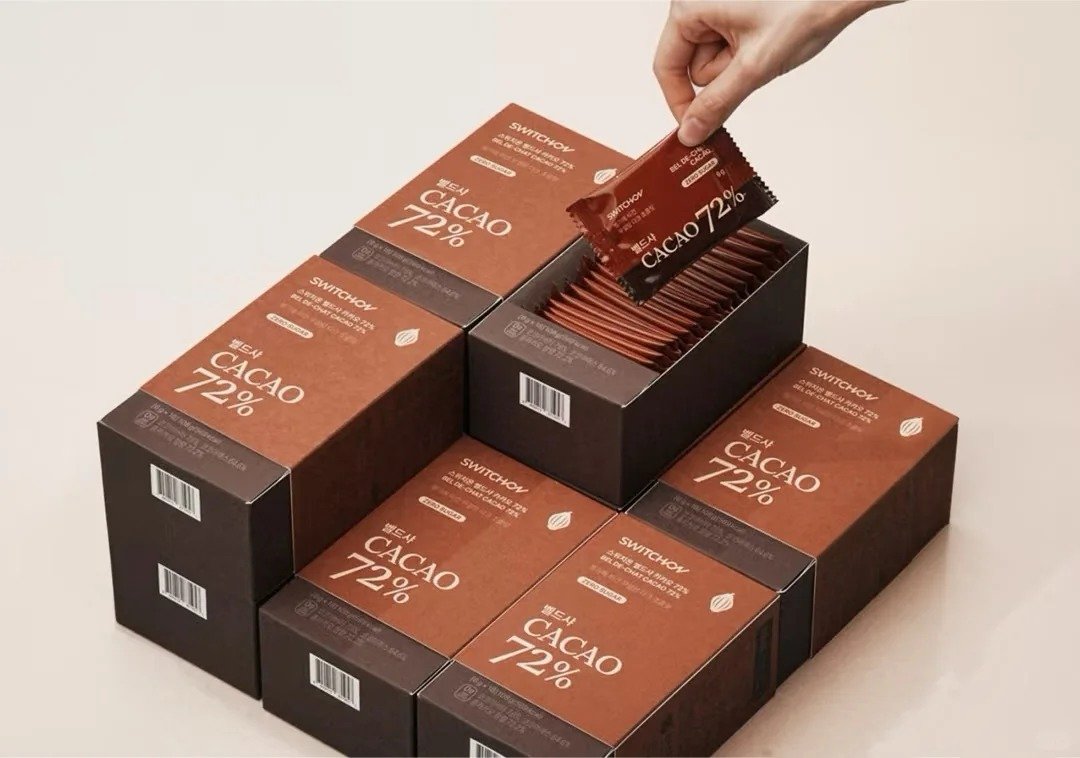
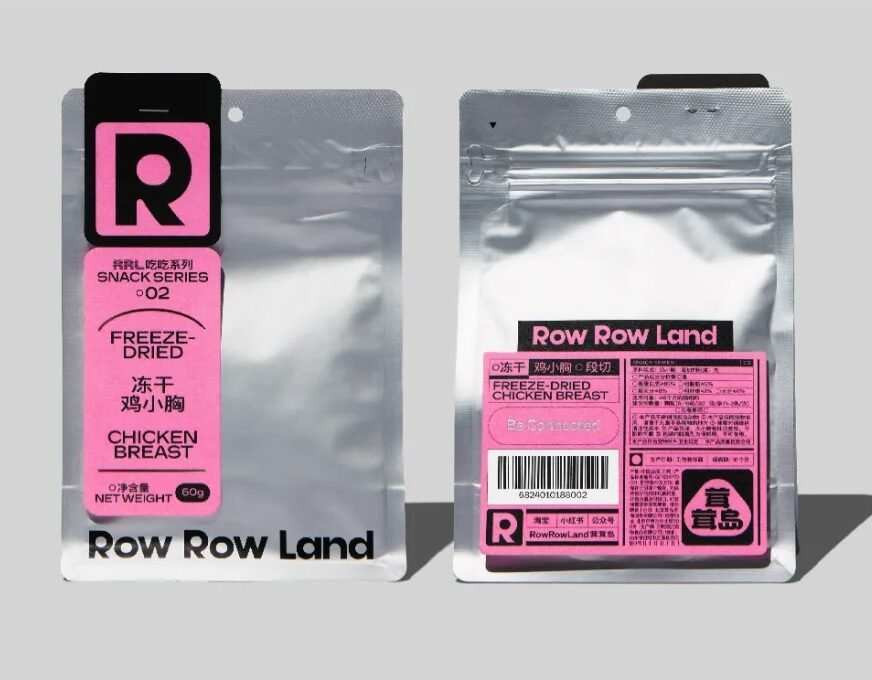
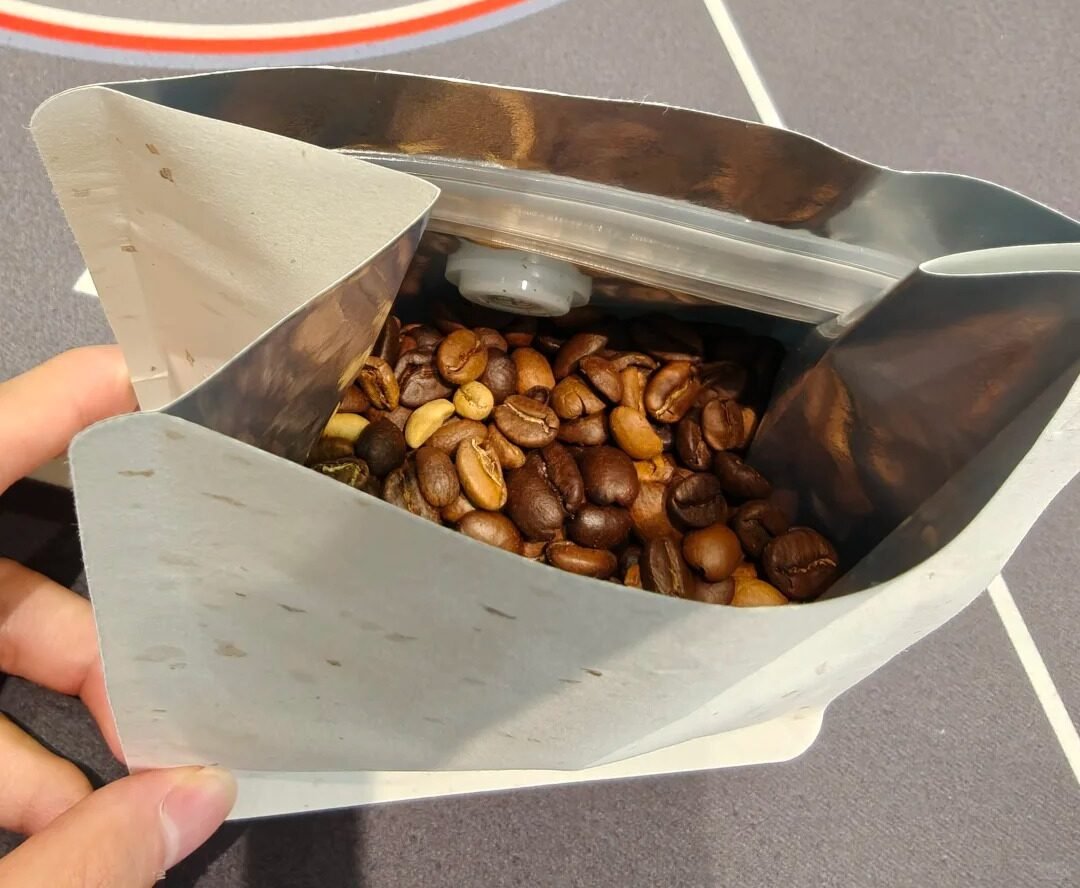
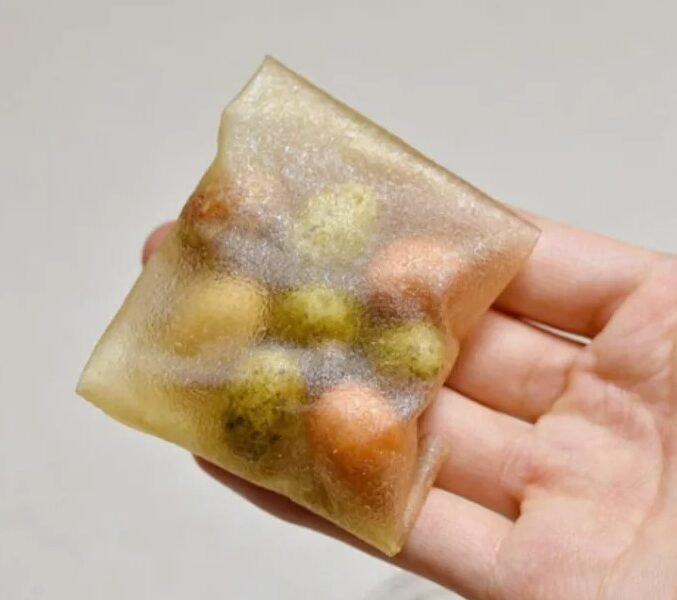
These options reduce environmental impact but may not suit high-moisture or greasy products without a protective lining.
Barrier Properties
Barrier performance determines how long your food stays fresh.
- Oxygen barrier → for coffee, chocolate, meat
- Moisture barrier → for cookies, snacks, grains
- Light barrier → for oils, chocolate, tea
- Odor barrier → for pet food, spices
- Heat resistance → for microwave-safe foods (trending: microwave-safe containers )
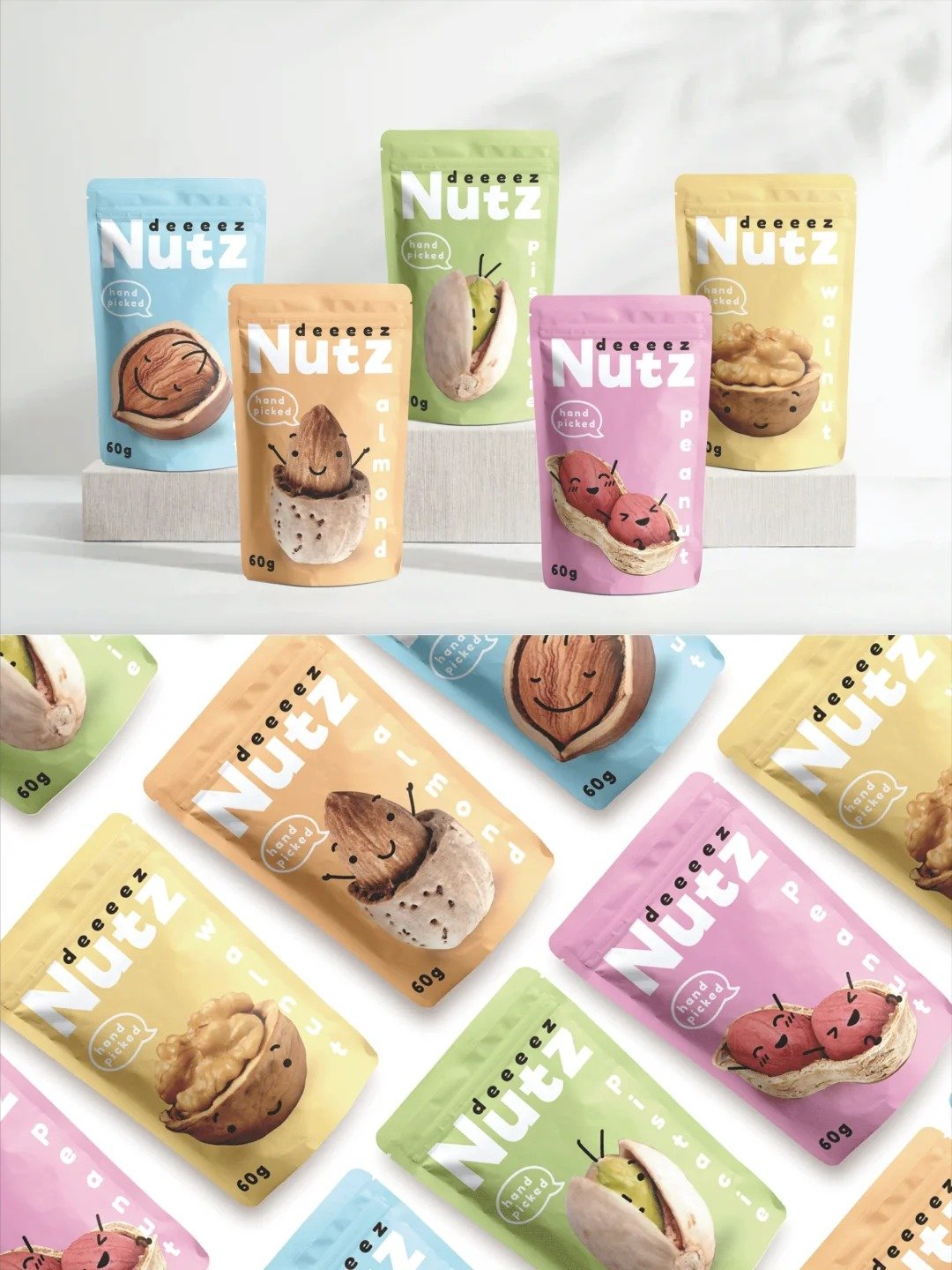
Vacuum packaging bags and oxygen-free packaging are excellent for extending shelf life.
Shelf Life Requirements
If your product has a short shelf life, packaging must slow down spoilage.
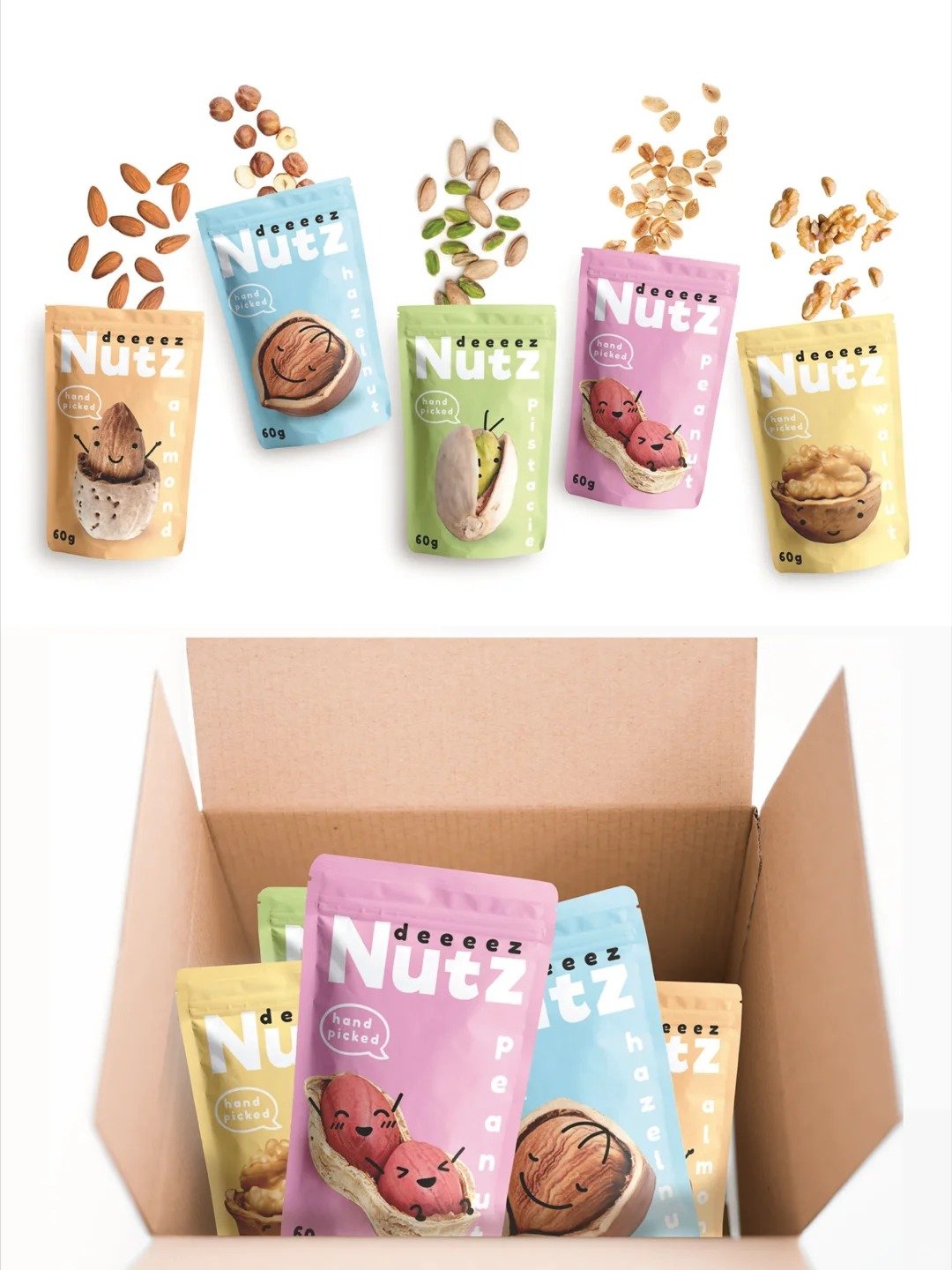
- Use vacuum packaging bags for meat, cheese, nuts, and dried foods.
- For fresh produce, use MAP packaging (Modified Atmosphere Packaging) to extend freshness.
- For bakery items, use moisture-resistant film to prevent sogginess.
Common Types of Food Packaging and Their Uses
Vacuum Packaging Bags
Great for: meat, cheese, nuts, dried seafood Benefits:
- Removes oxygen
- Prevents spoilage
- Supports long-distance shipping
Low-difficulty keyword: oxygen-free packaging bags
Custom Food Packaging & Personalized Bakery Packaging
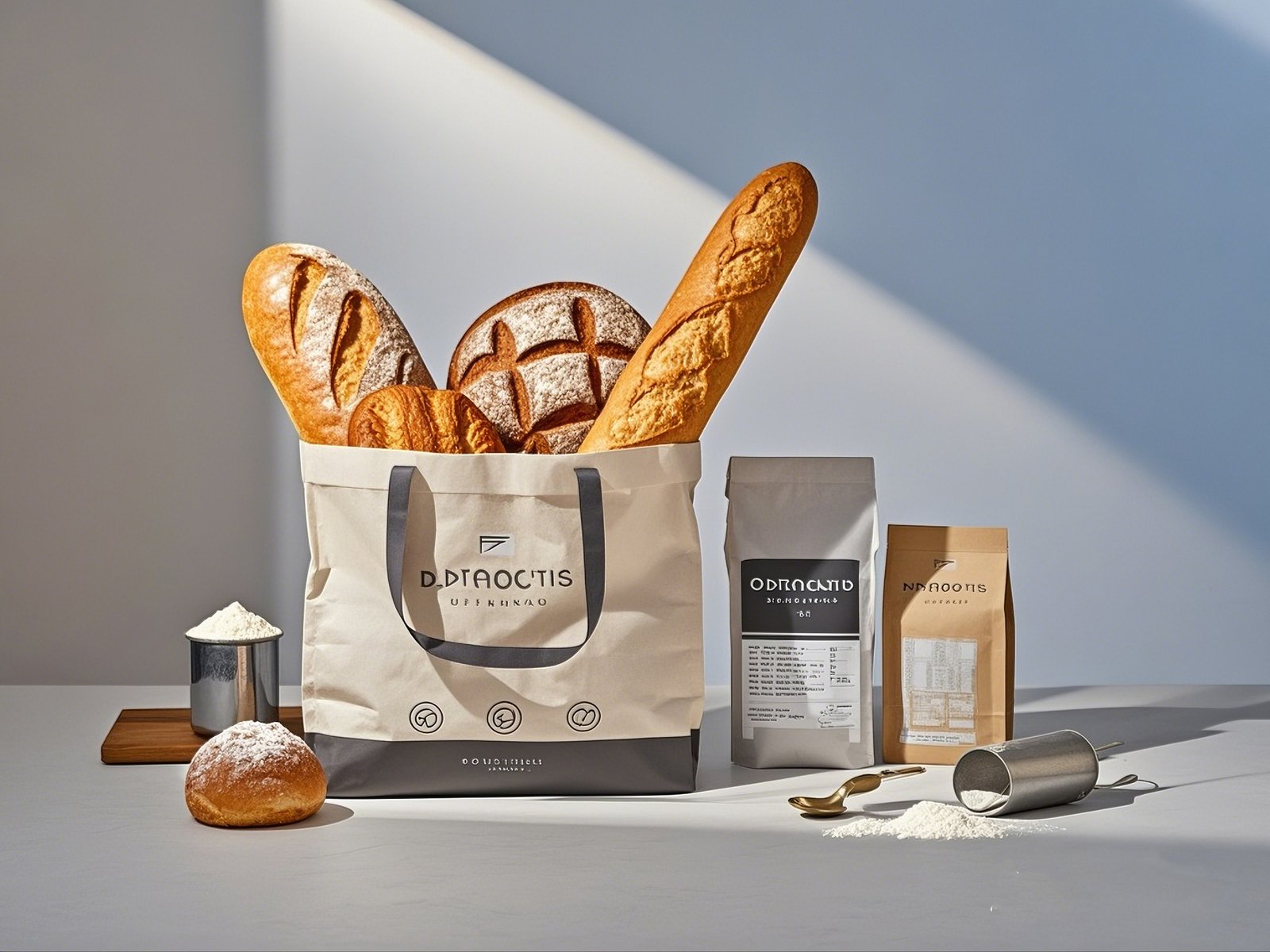
Great for: cookies, pastries, bread, desserts
- Improves presentation
- Helps small businesses differentiate
- Allows custom sizes and branding Keywords included: cookie packaging, food packaging personalized bakery
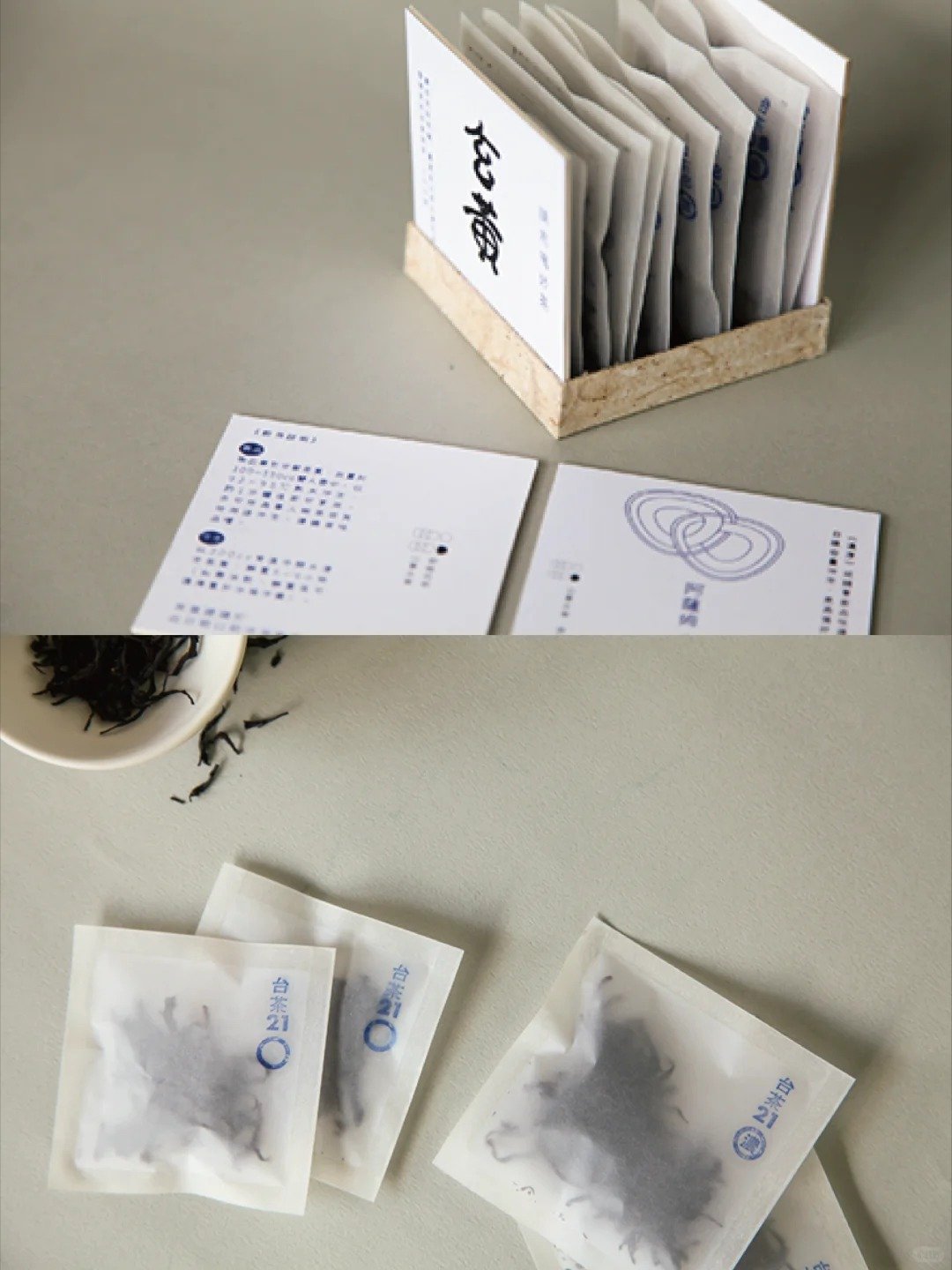
Coffee & Tea Packaging
- Requires strong aroma protection
- Often uses foil laminates
- Degassing valves for fresh coffee
Trending keyword: aroma-lock pouches
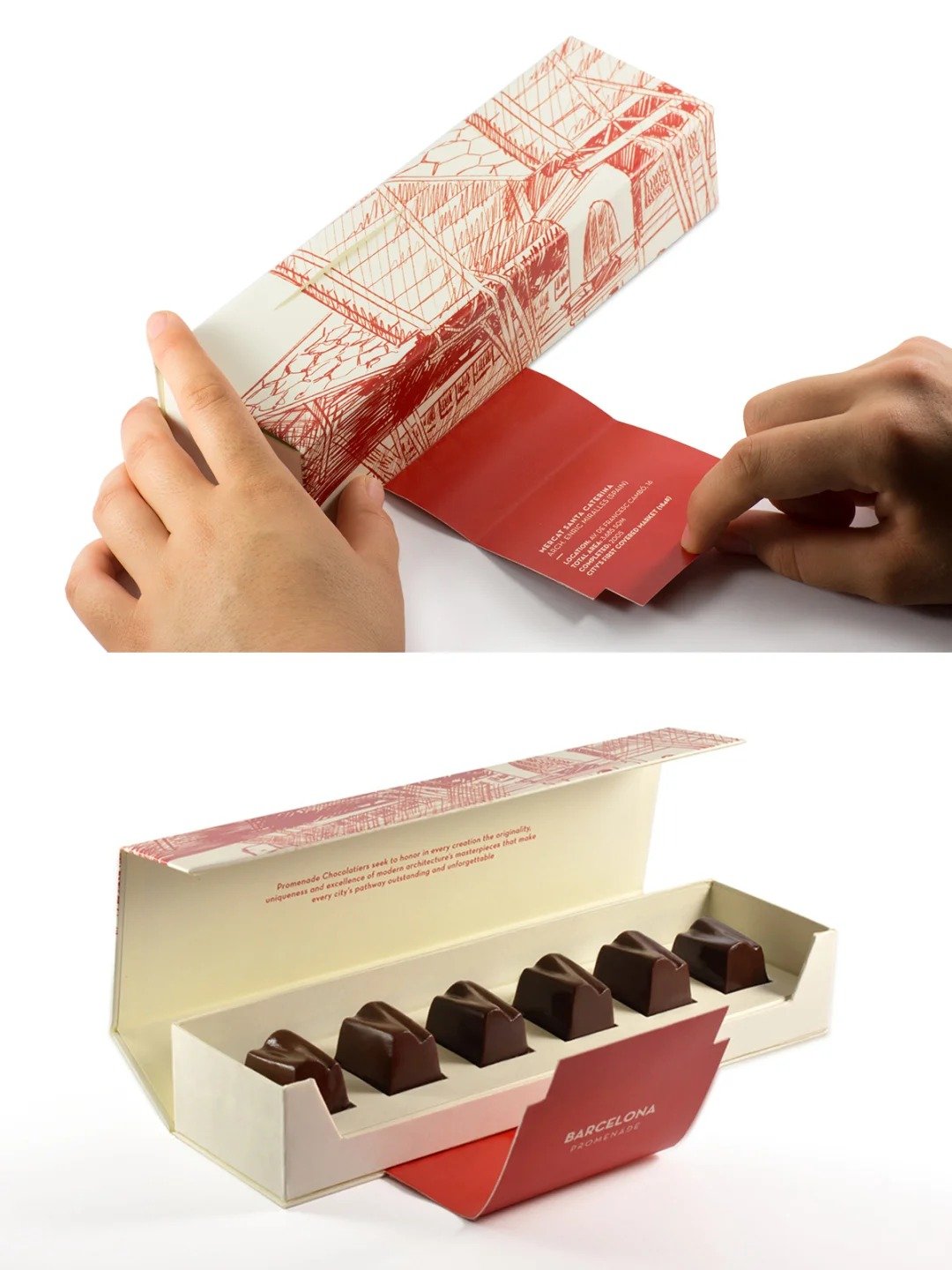
Chocolate Packaging
- Heat-sensitive
- Requires foil or insulated materials
- Prevents melting and odor absorption
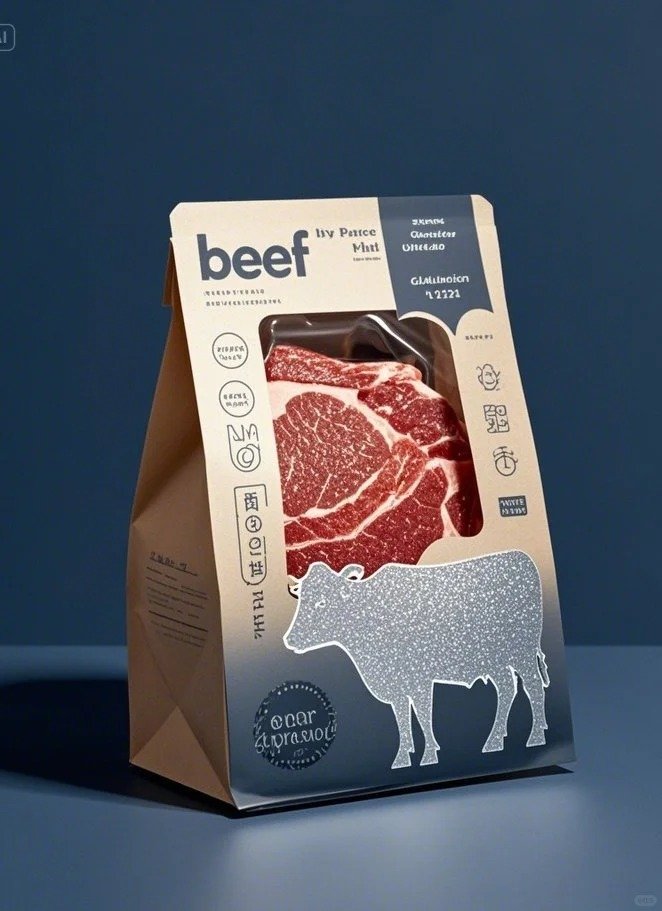
Frozen Food & Ice Packaging
- Needs materials that resist cracking at low temperatures
- Anti-fog films for visibility
Pet Food Packaging
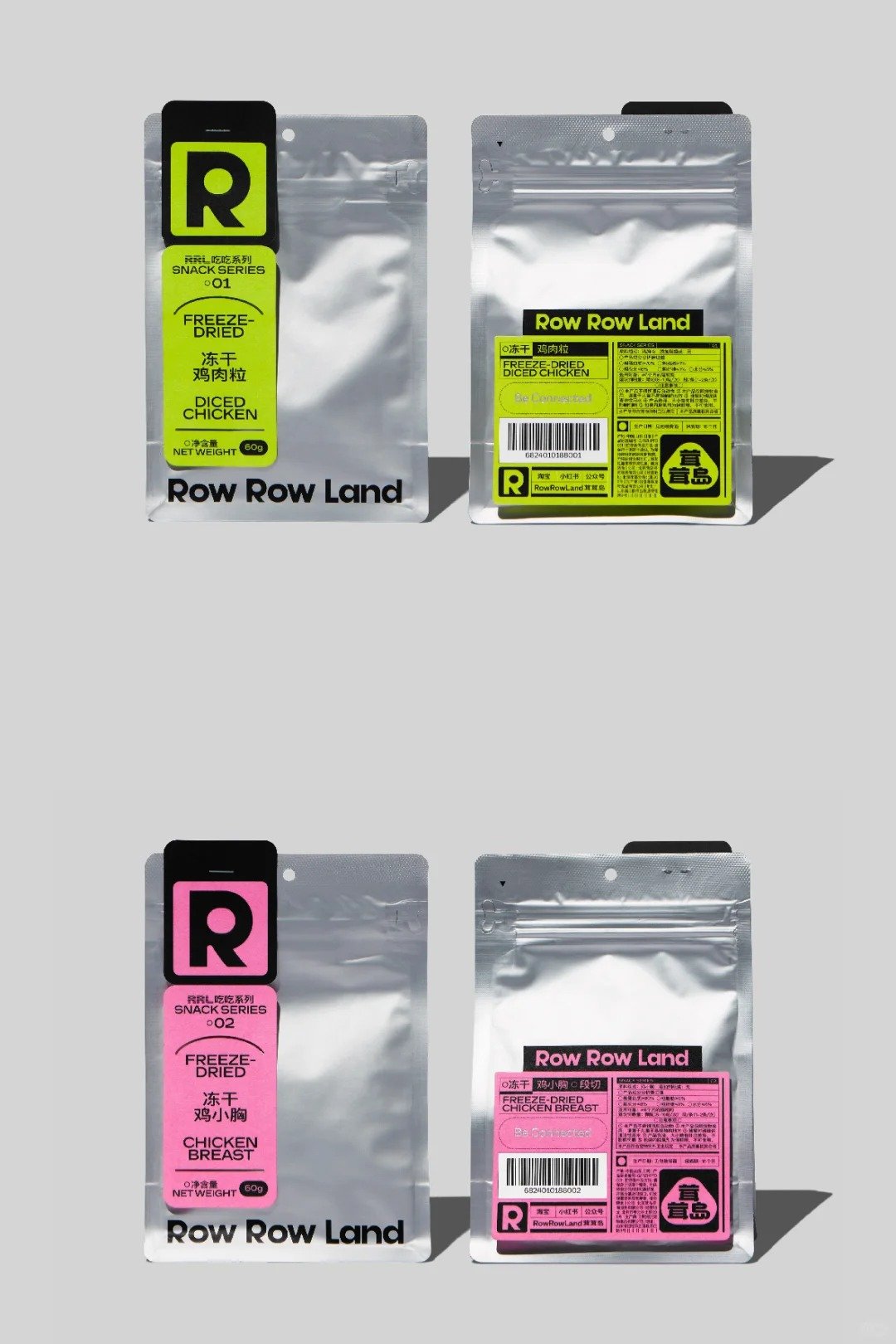
- Often includes resealable zippers
- Strong odor protection
- Durable bags to avoid tears
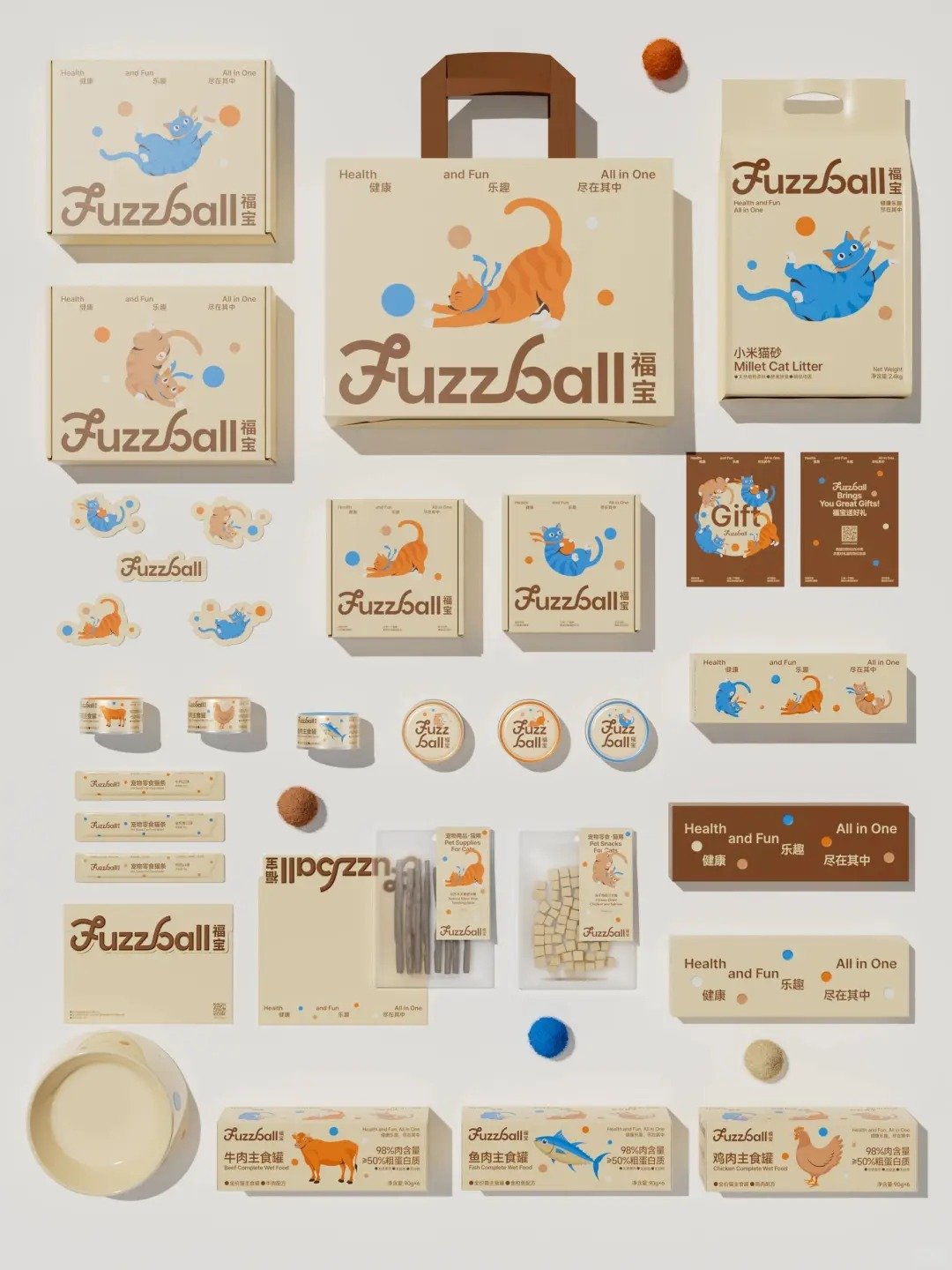
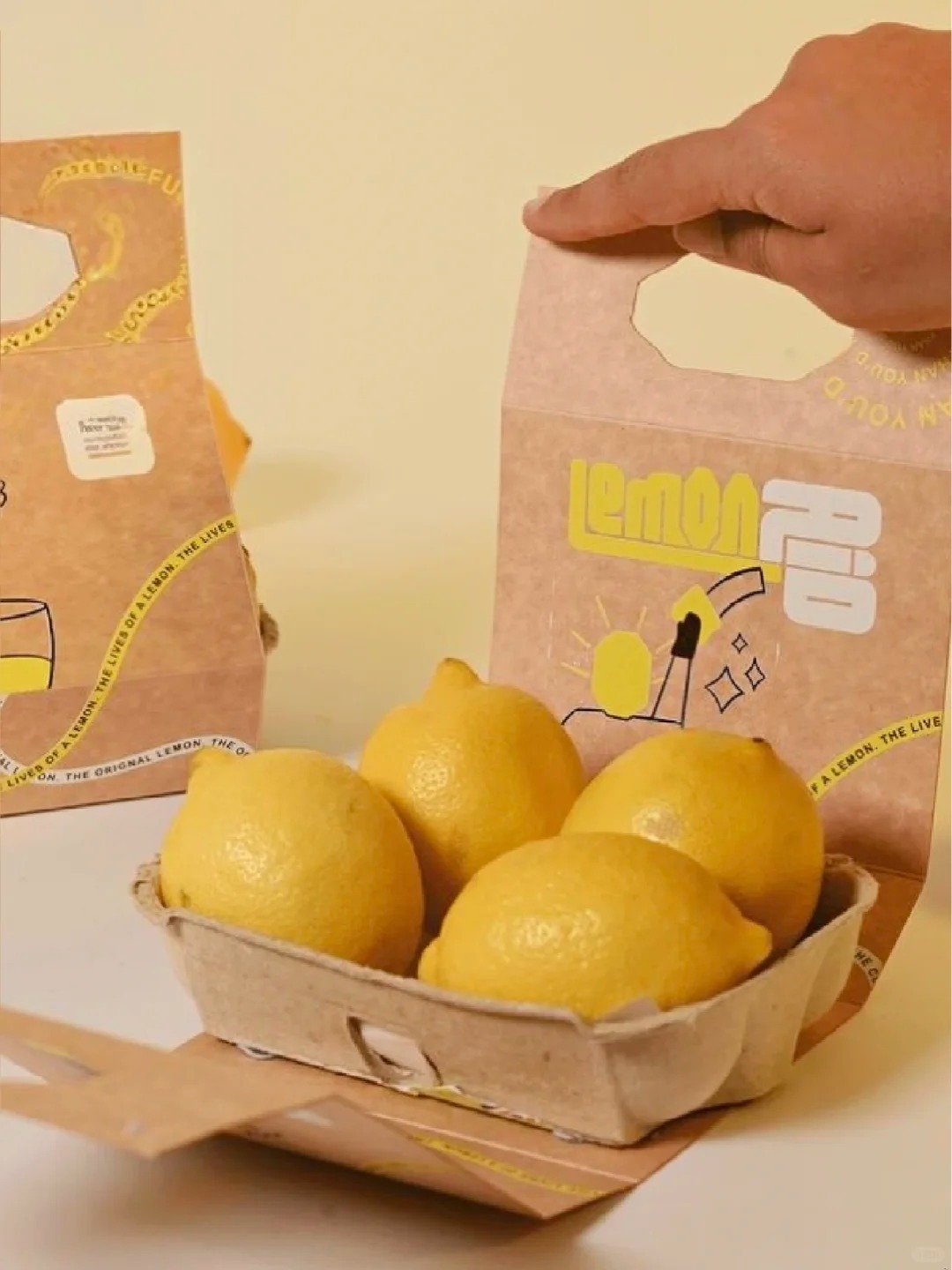
Fruit Packaging
- Ventilation is critical
- Often uses compostable trays
- Suitable for berries, apples, citrus, grapes
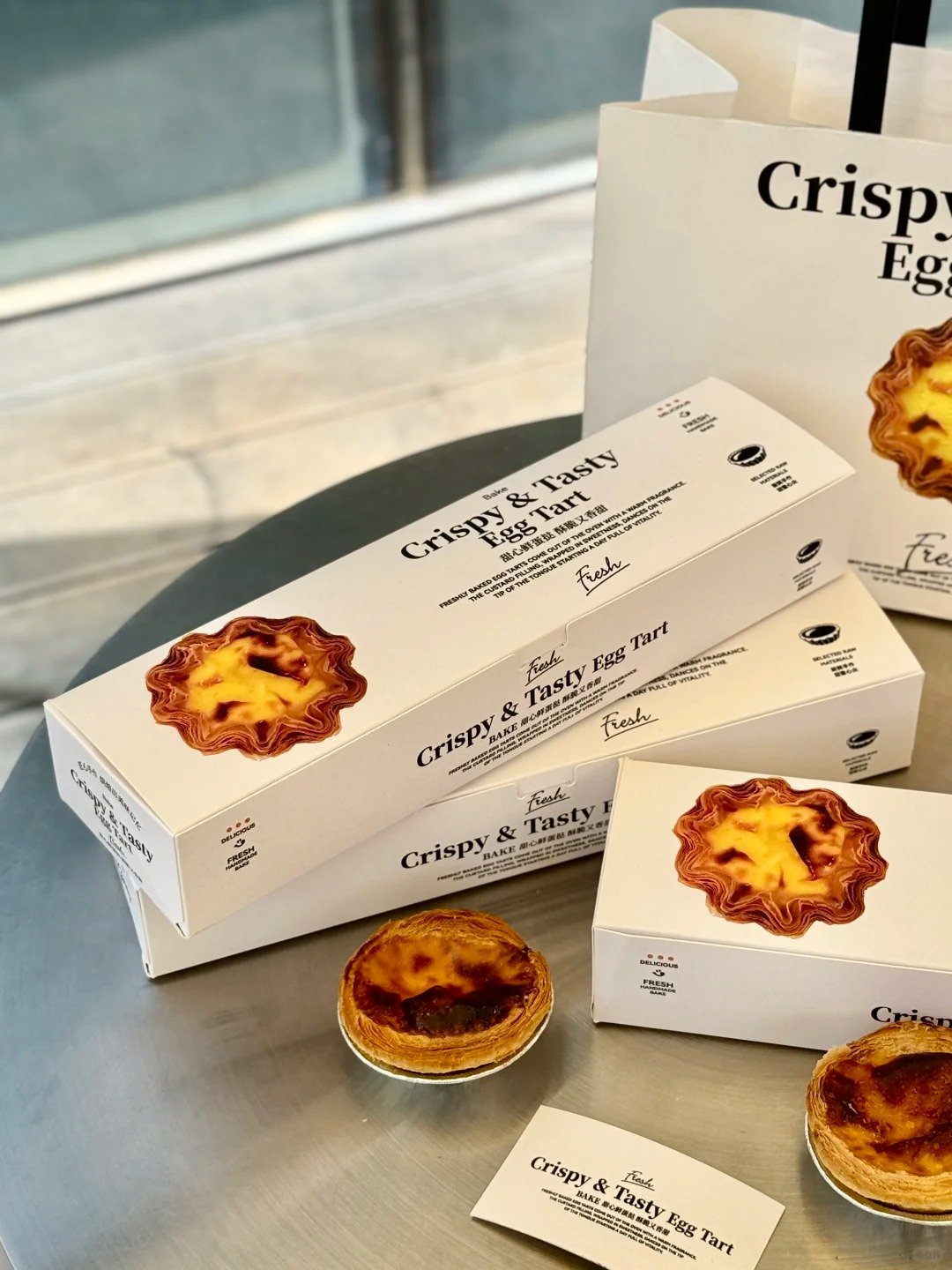
Custom Food Packaging & Personalized Bakery Packaging
Great for: cookies, pastries, bread, desserts
- Improves presentation
- Helps small businesses differentiate
- Allows custom sizes and branding Keywords included: cookie packaging, food packaging personalized bakery
Sustainability in Food Packaging
Consumers increasingly expect sustainable options—and businesses want packaging that reduces waste.
Eco Friendly Food Packaging Options
- Compostable bags and trays
- Bioplastics (PLA)
- Recyclable kraft paper
- Plant-based packaging films
Balancing Sustainability With Performance
It’s important to choose eco-friendly materials that still protect the product. For example:
- Compostable bags work well for dry foods.
- Greasy or moist foods may still require hybrid materials.
- Frozen foods need stronger plastics.
Safety, Compliance & Regulations
Food packaging must be safe for direct food contact.
Key points to consider:
- Look for “food-grade” or “FDA-compliant food packaging.”
- Check if materials are BPA-free.
- Understand temperature limits (microwave-safe, freezer-safe).
Cost Considerations
Packaging cost depends on material, printing, size, and order quantity.
To avoid overpaying:
- Use lightweight materials to reduce shipping costs.
- Choose standard sizes when possible.
- Test samples before mass production.
- Consider whether custom packaging adds real value.
Food Packaging Certifications and Compliance by Country
Choosing the right food packaging means understanding global safety standards, materials compliance, and the certifications required for food-contact packaging such as coffee packaging , cookie packaging , frozen food packaging , pet food packaging , vacuum packaging bags , and eco friendly food packaging . The table below summarizes key mandatory and commonly requested certifications.
| Country / Region | Mandatory Certifications | Commonly Required for Brands | Typical Packaging Types Affected |
| United States (USA) | FDA 21 CFR Food Contact Compliance GRAS Materials FCN (Food Contact Notification) | Prop 65 Compliance BPI Compostable Certification (for compostable food packaging) | Coffee packaging, chocolate packaging, frozen food packaging, vacuum packaging bags |
| European Union (EU) | EC 1935/2004 (Food Contact Materials) EC 10/2011 (Plastic Materials) EC 2023/2006 (GMP) | EU Declaration of Conformity (DoC) EN 13432 Compostability | Tea packaging, compostable food packaging, custom food packaging |
| United Kingdom (UK) | UK Retained EU Regulation 1935/2004 UK Plastic FCM Regulations | BRCGS Packaging Certification | Bakery packaging, cookie packaging, eco friendly food packaging |
| China | GB 4806 Series (Food Contact Materials) GB 31604 Migration Testing SC Production License | China RoHS (for inks/coatings) FSC Certification (paper packaging) | Fruit packaging, frozen food packaging, tea packaging |
| Japan | Food Sanitation Act Positive List (PL) for Food-Contact Materials | Aroma-barrier testing (for coffee packaging) | Coffee packaging, tea packaging, foodstuff packaging |
| Canada | Health Canada Food Contact Guidelines CFIA Compliance (label interaction) | Compostability certifications for eco friendly food packaging | Chocolate packaging, bakery packaging, custom food packaging |
| Australia & New Zealand | FSANZ Food Contact Standards | ISO 22000, HACCP (for packaging factories) | Frozen food packaging, vacuum packaging bags, pet food packaging |
| Middle East (GCC) | G-Mark Conformity (selected materials) | Halal-compatible material requirements | Foodstuff packaging, spice packaging, fruit packaging |
| Germany (Special) | LFGB Certification (Stricter than EU) | Additional migration tests (paper, plastics, coatings) | Chocolate packaging, bakery packaging, cookie packaging |
These certifications ensure that materials used in container and packaging , ice packaging , fruit packaging , custom food packaging , and food packaging personalized bakery products meet international safety requirements and protect both food quality and consumer health.
Special Categories of Food Packaging & Their Typical Certifications
Frozen Food Packaging
- FDA (USA)
- EC 10/2011 (EU plastic)
- GB 4806 (China)
- Migration tests for low temperature durability
Pet Food Packaging
- Not technically “food,” but increasingly follows human food standards
- HACCP
- FDA (USA) if touching edible pet food
- FSC or compostable certification for eco lines
Vacuum Packaging Bags
- Oxygen transmission rate (OTR) test
- Moisture vapor transmission rate (MVTR) test
- FDA or EU plastic compliance
Bakery & Cookie Packaging
- Oil resistance testing
- FDA/EU paper compliance
- Greaseproof certification (if applicable)
Coffee & Tea Packaging
- Aluminum migration tests (for foil)
- Aroma barrier testing
- Compostable certification (for PLA/biobased packaging)
Frequently Asked Questions (FAQ)
1. What’s the best food packaging for online shipping?
Vacuum-sealed bags, durable stand-up pouches, and corrugated boxes for protection.
2. What’s the difference between compostable and recyclable packaging?
Compostable breaks down naturally; recyclable must be processed at a recycling facility.
3. When should I choose vacuum packaging?
When shelf life and freshness are top priority—ideal for meat, nuts, cheese, and dried foods.
4. Is eco friendly food packaging more expensive?
Sometimes, but prices have decreased significantly. Costs also depend on order size.
5. How do I choose the right packaging size?
Measure product dimensions, consider space for sealing, and always order a sample first.
Choosing the right food packaging involves understanding your product’s needs, selecting the right materials, ensuring safety, and balancing cost with performance. Whether you need cookie packaging , coffee packaging , fruit packaging , vacuum packaging bags , custom food packaging , or eco friendly food packaging , the key is to match the packaging to your product’s characteristics and shelf-life requirements.
Smart packaging choices help protect your food, reduce waste, and create a better experience for your customers.
READ MORE
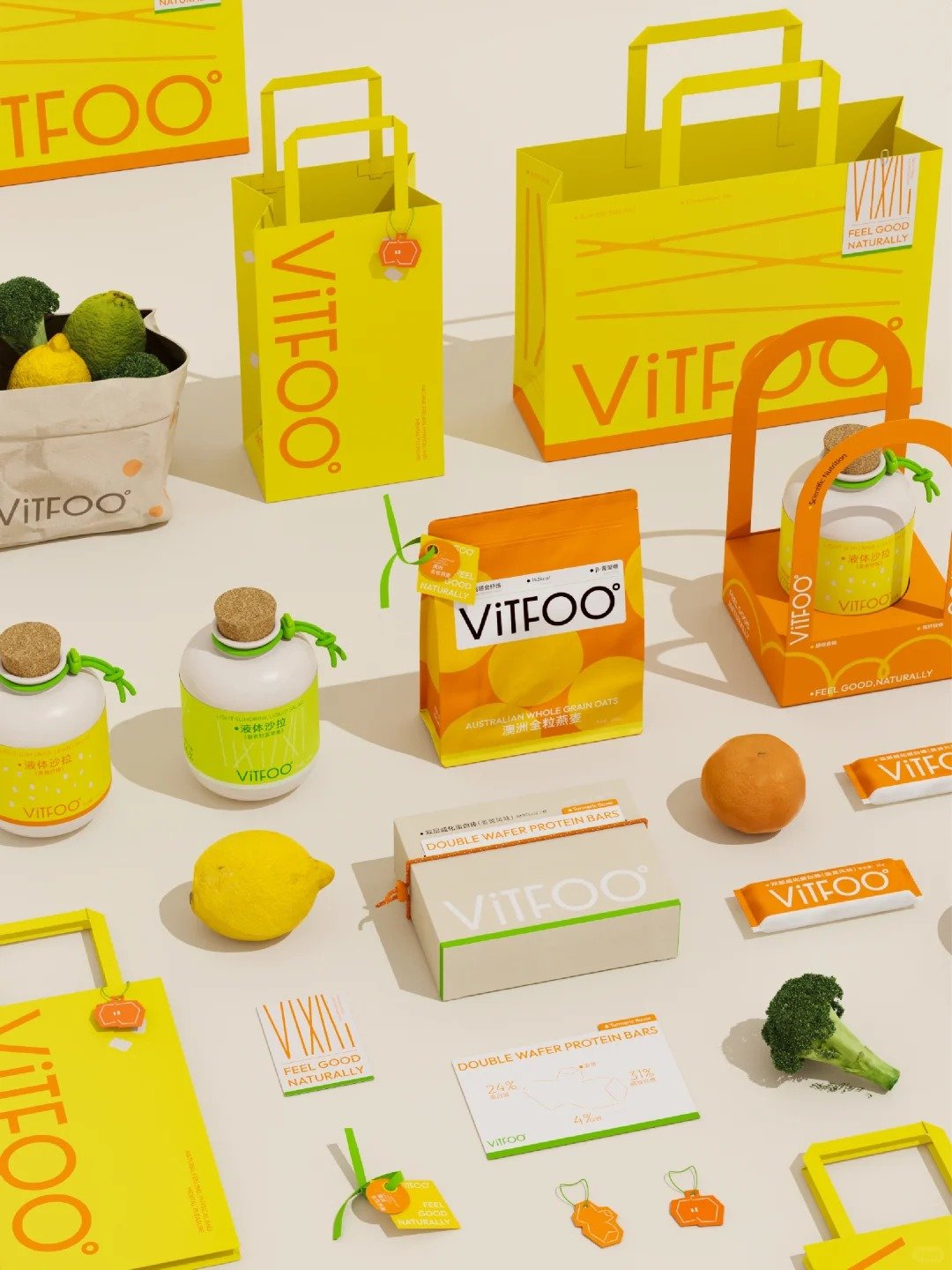
If you know how to choose a professional food packaging companies, or if you’re unsure how to customize your food packaging, please contact our expert team.


We Love to Hear From You
You can write down your detailed requirements in the message, for example, style, material, size, quantity, printing requirements, etc. You can also leave accurate contact information, we will contact you within 24 hours!
Leave A Message