Food Packaging: Choosing the Right Material for Your Product
2025-10-28
Food Packaging
How To Choose The Right Food Packaging For Your Product?
Discover why food-grade and eco-friendly packaging matter, explore key types, materials, and brands, and compare disposable bags vs sustainable solutions for food items.
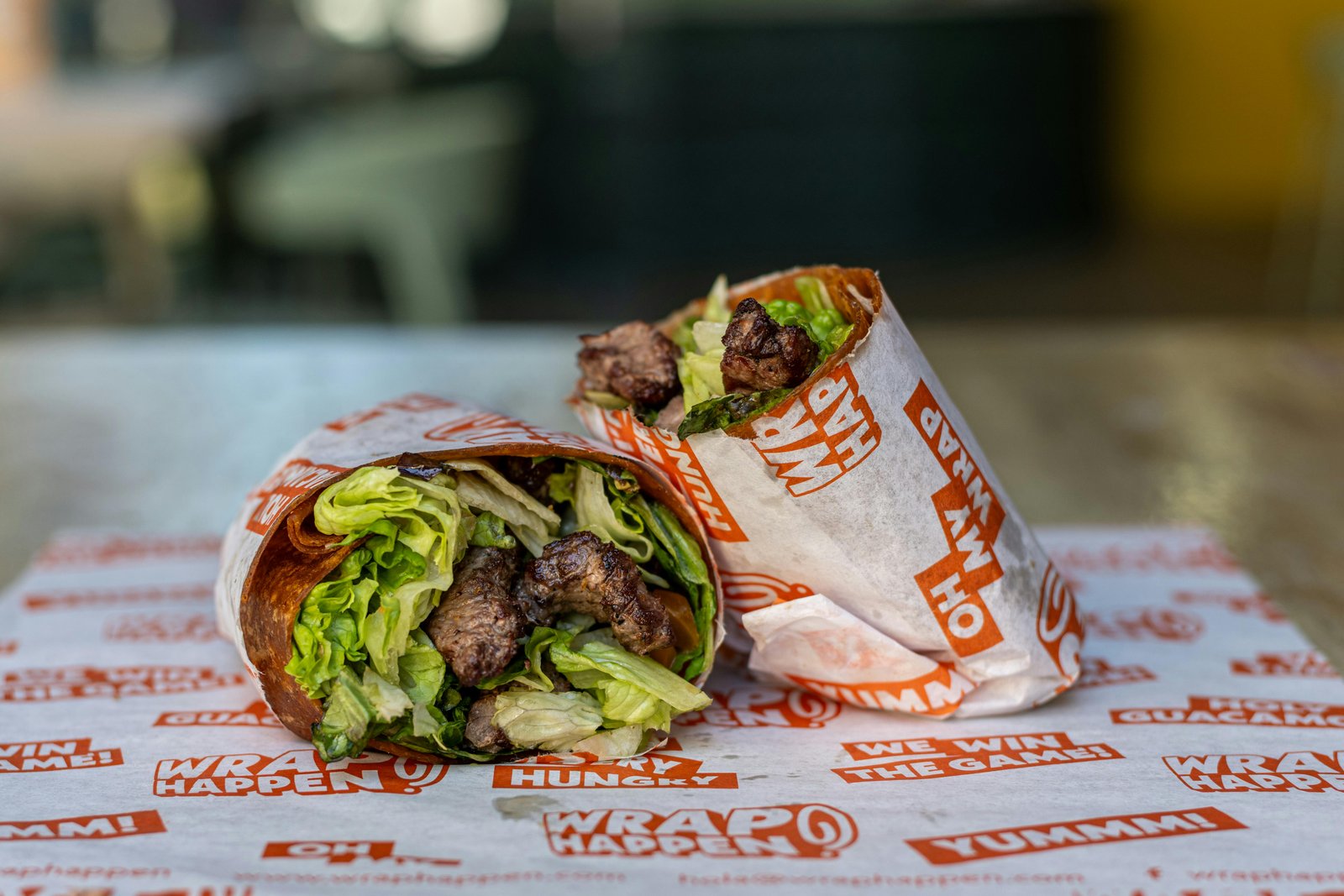
When it comes to food packaging-whether you’re dealing with fast food packaging, frozen food packaging bags, snack food packaging, or even eco-friendly pet food, the choices you make matter. Below, we cover six key directions: why food. grade materials matter, how to classify packaging types, what materials are used, the importance of biodegradable and sustainable food packaging, a comparison of disposable vs sustainable packaging, brands that are leading the way, and finally, other kinds of packaging beyond boxes and paper bags.
Why choose Food-Grade Packaging Materials
Food Packaging Does More Than Look Good-It Protects Your Product, Safeguards Safety, And Keeps Quality High. Here Are Some Reasons To Choose Food-Grade Materials: Safety And Compliance. Packaging That Comes Into Direct Contact With Food (Think food-grade dairy Packaging, Food Packaging For Nuts, snack food Packaging) Needs To Meet Regulatory Standards To avoid contamination, Migration of Unwanted Substances, And Preserve shelf life. Preservation of Quality. Good Food Packaging (For Frozen Food Packaging, Vacuum Packaging Bags For Food, Dry Food Packaging) Helps Protect Against Moisture, Oxygen, Light, And Other Factors That Can Degrade Taste, Texture, Or Freshness. Brand And Consumer Trust. When consumers Buy Items With labels like Food Packaging, Personalized Bakery, Custom Food Packaging Boxes with Logo, or eco-friendly frozen Food Packaging, They Expect packaging that Looks Safe, Professional, and well-designed. Versatility For Different Food Types. Whether it’s Fast Food Packaging(Sandwich, Take-Out), Pet Food Packaging, Organic Food Packaging or Food Delivery Packaging, Different Products Demand Different PackagingFeatures-Greaseproof Paper For Food Packaging, Kraft Paper Food Packaging, Sleeve Food Packaging, Vacuum Packaging Bags For Food-AlTailored For The Right Food Environment.
By Using Certified Food-Grade Materials, You Reduce Risks And BuildCredibility In The Marketplace.
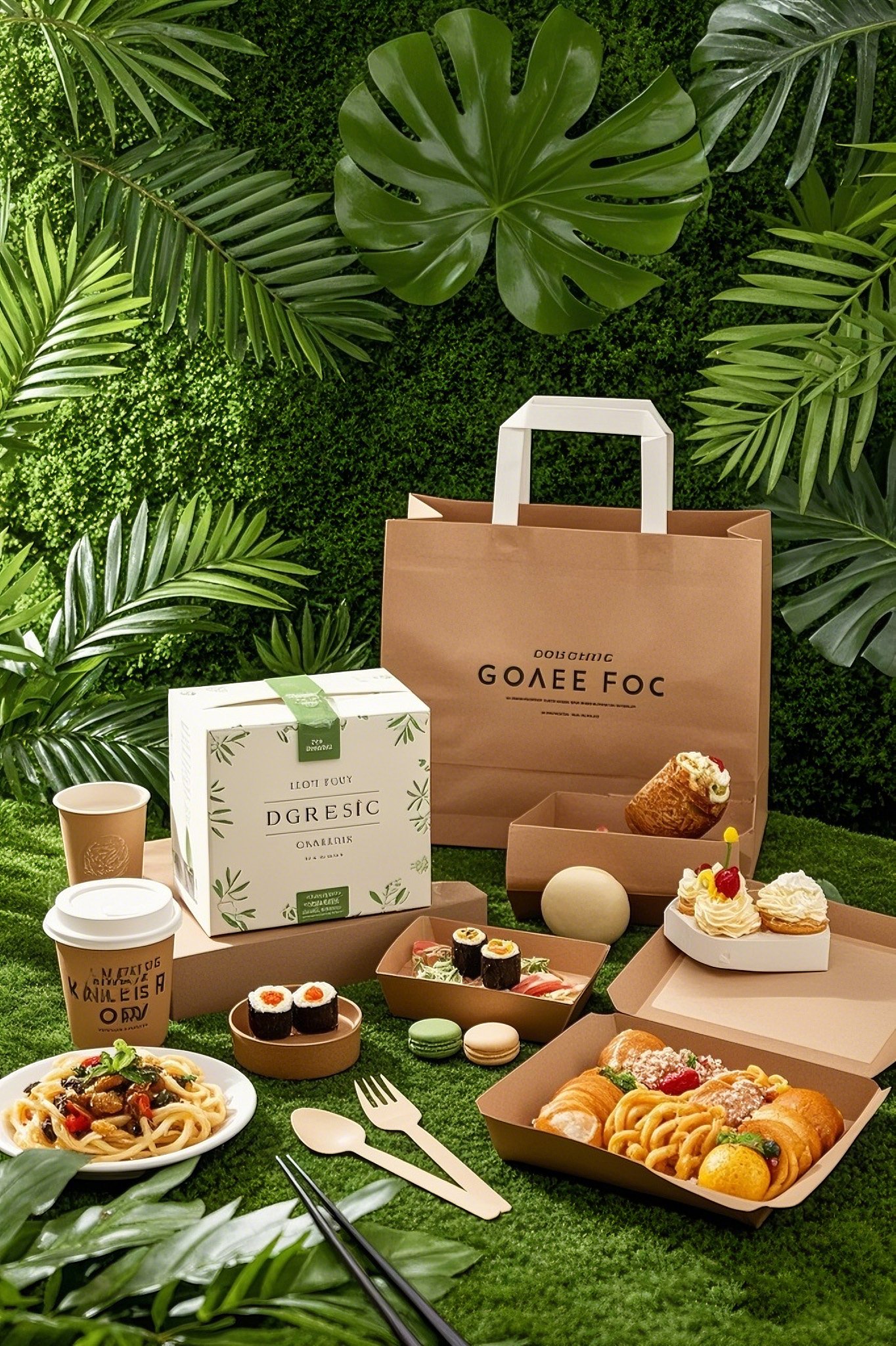
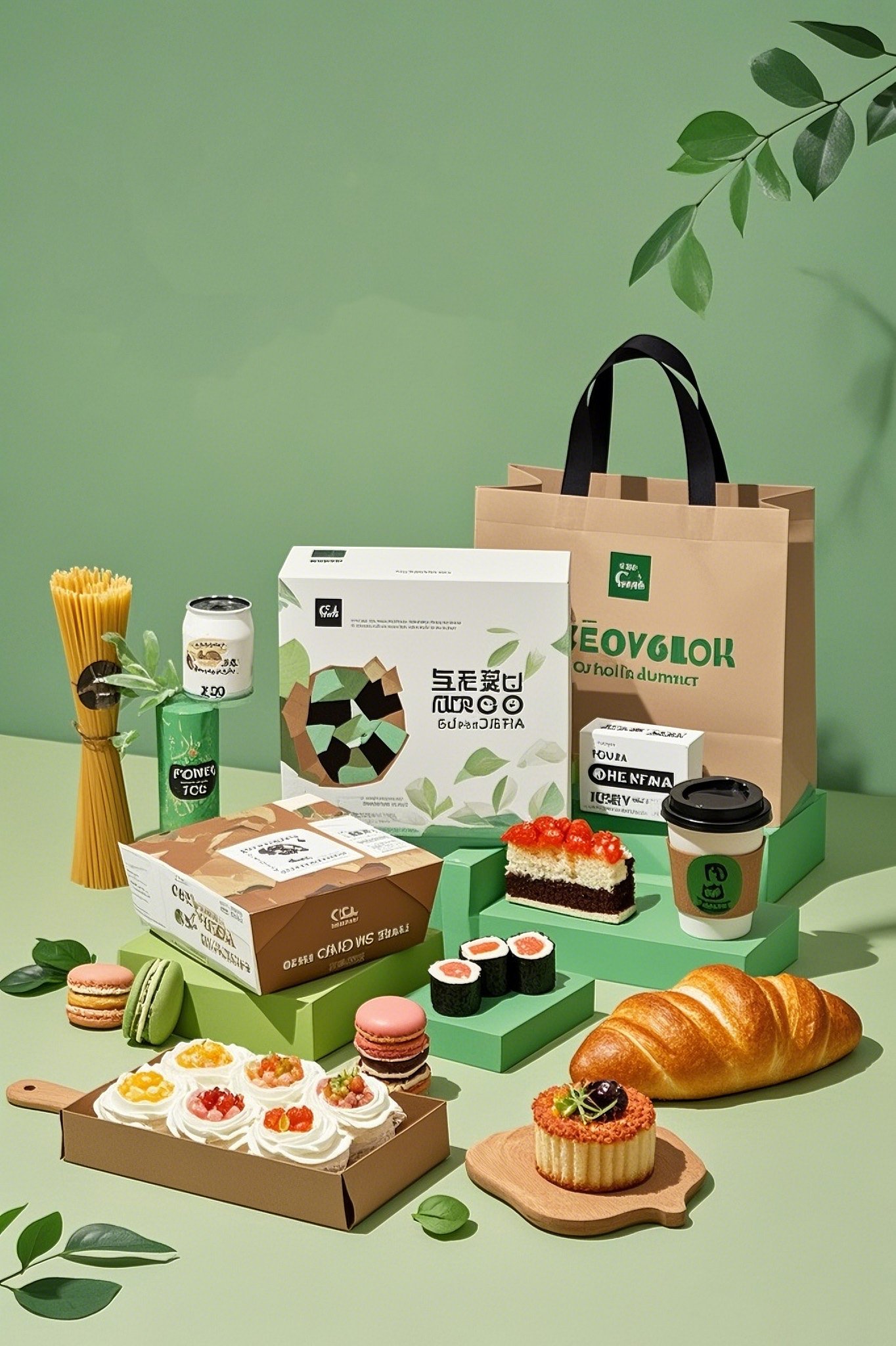
Classification of Food Packaging
Food Packaging Can Be Divided In Several Ways: By Product Type, ByMaterial Format, By Usage Environment, Here Are Common Categories:
- By Food Type / Usage:
- Fast Food Packaging (Take-Out Meals, Burger Wrappers)Frozen Food Packaging/
- Frozen Food Packaging Bags (For FrozenMeals, Ice Cream, Etc)
- Snack Food Packaging (Chips, Nuts, Bakery Snacks)
- Pet Food Packaging (Dry Pet Food, Eco-Friendly Pet Food Packaging)Organic Food Packaging (For Premium, Health-Oriented Brands)
- Food Grade Dairy Packaging (Milk, Yogurt Cups)
- Food Delivery Packaging (Boxes, Bags Designed For Transit)
- By Format / Shape:
- Packaging Bags For Food (Flexible Pouches, Resealable Bags)
- Food Packaging Boxes / Food Packaging Box (Rigid Cartons)
- Sleeve Food Packaging (Wrap sleeves Around Trays Or Cups)
- Food Packaging Supplies / Food Package (General Term For Materials)
- By Material / Characteristic:
- Disposable Food Packaging (Single-Use Paper, Plastic)
- Eco-Friendly Food Packaging/ Sustainable Food Packaging Materials/Biodegradable Vs Compostable Food Packaging
- Custom Food Packaging (Custom Food Packaging Boxes With Logo, Food Packaging Personalized Bakery)
Why Choose Environmentally Friendly, Biodegradable Food Grade Materials, And What is Their Environmental Contribution?
In Recent Years, Sustainable Food Packaging Has Moved From Nice-To-Have To Must-Have. Here’s Why:
Reducing Waste And pollution: According industry data, About 40 % Of Plastic globally is Used For Packaging, And Much of It IsNon-Biodegradable.
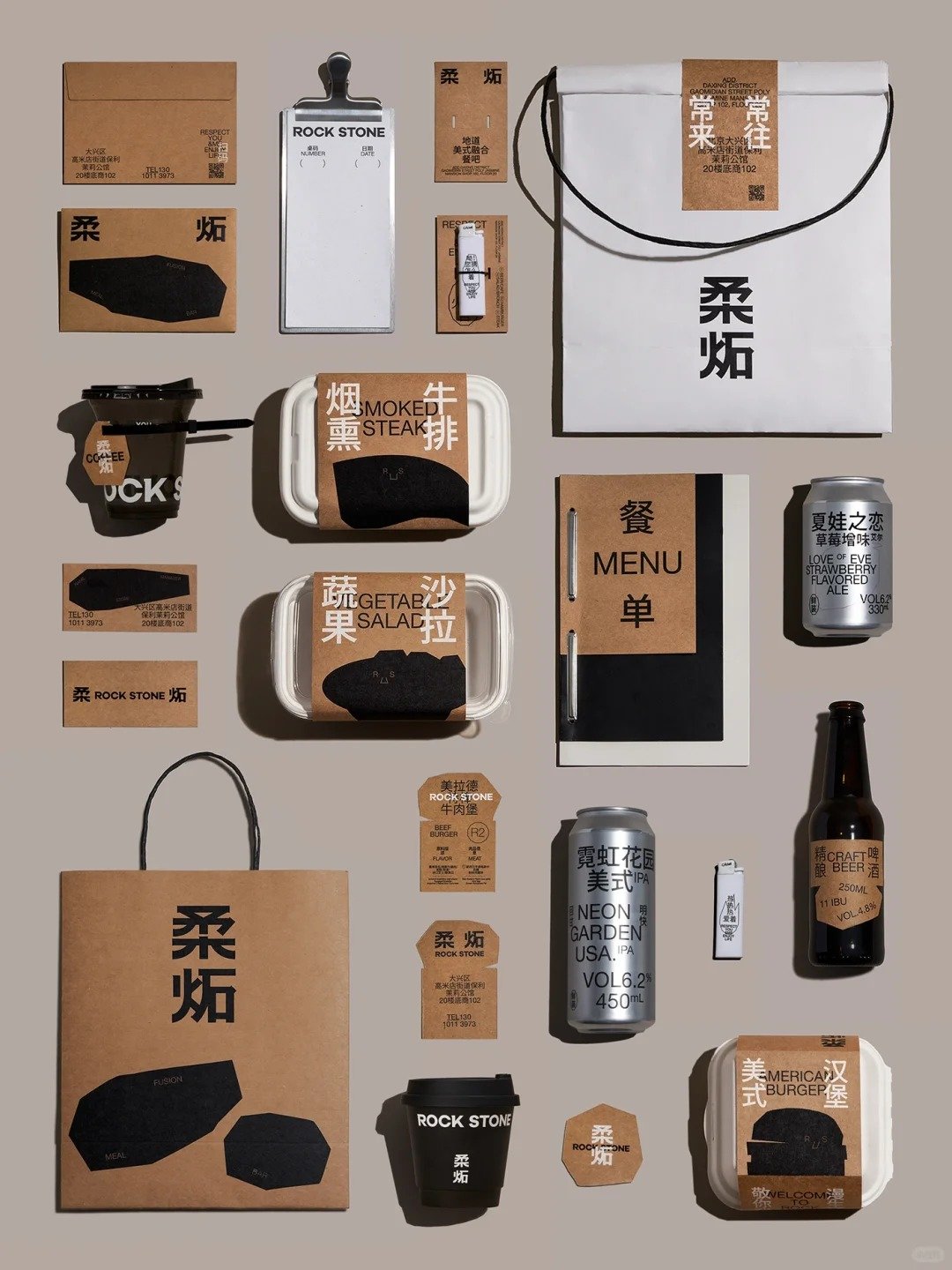
Growing market demand and regulation: The global eco-friendly food packaging market was estimated at US$227.96 billion in 2024 and is projected to reach US$353.78 billion by 2030(CAGR 7.6 %). For biodegradable food packaging specifically, the food & beverages segment accounted for over 42% of the market in 2024.
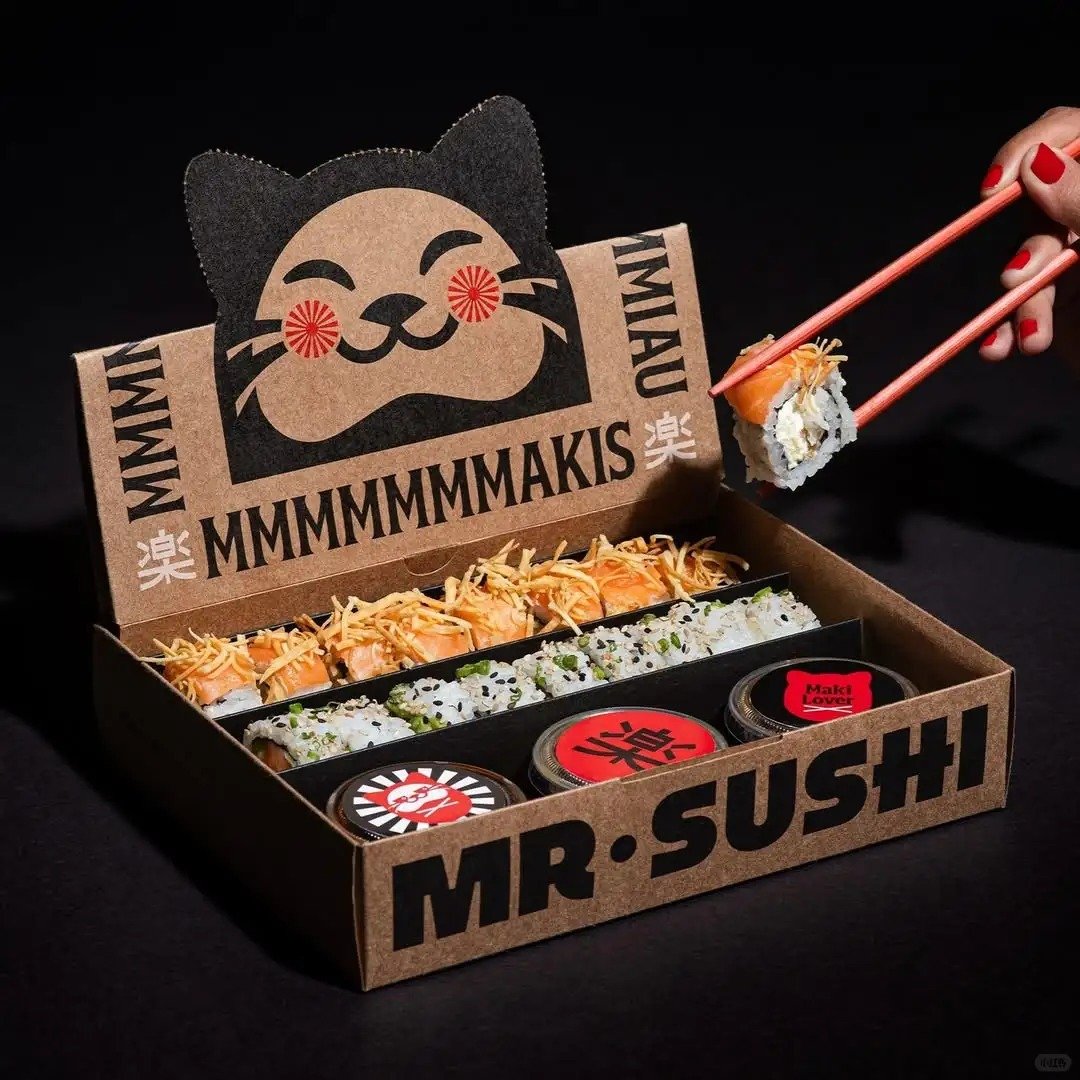
Environmental Benefits of Biodegradable Materials: Some Research Suggests Use Of Biodegradable Packaging Materials Can Reduce The Carbon Footprint Significantly. Sources say The Carbon Footprint of Food Packaging Can Be Reduced By Up To 40% Through Lightweight, Eco-Designed Materials.
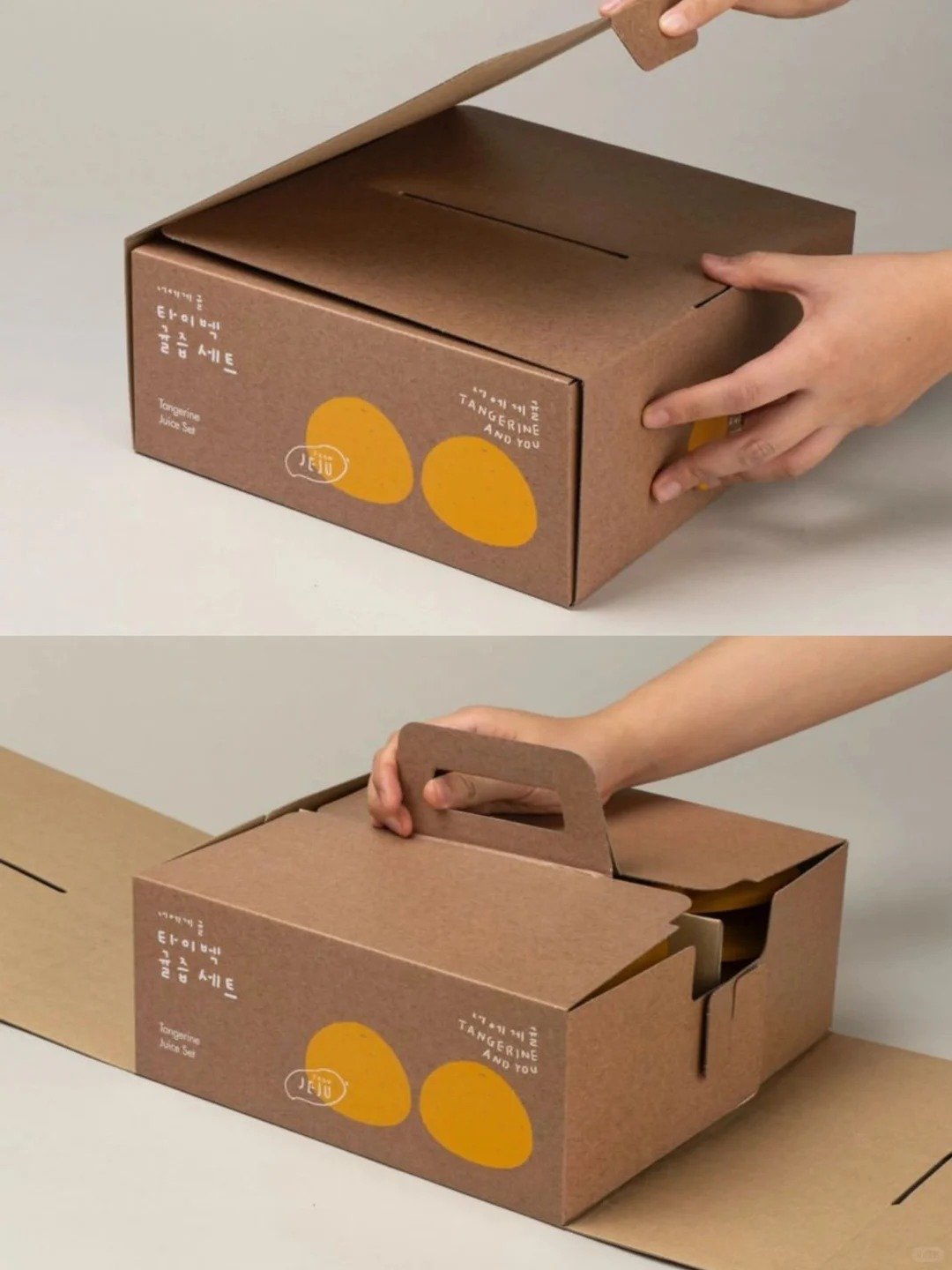
In short: By choosing biodegradable or Compostable food-grade packaging you supports environmental goals, stay ahead of regulation, and respond to consumer expectations.
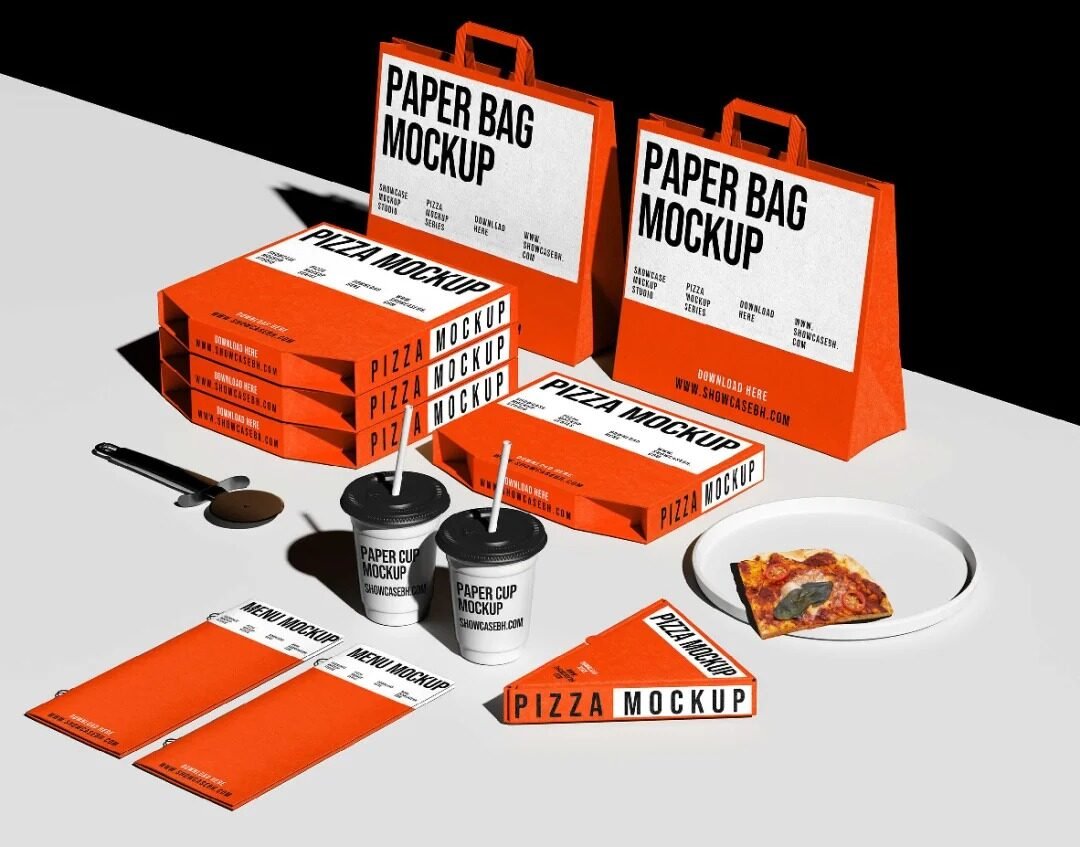
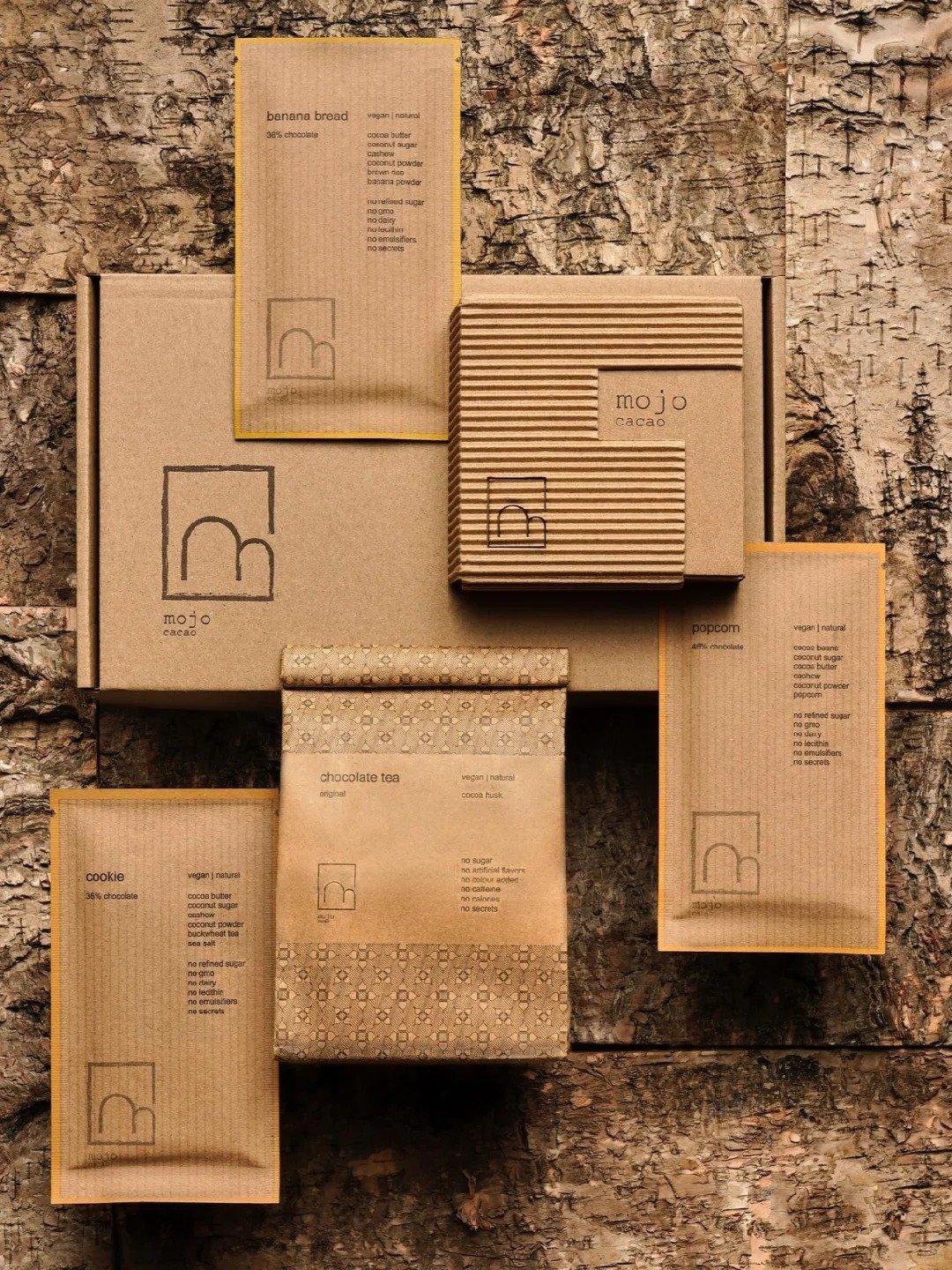
Resource-efficient materials: Fiber-based or plant-based materials (bagasse, molded pulp, PLA, starch-based plastics) reduce dependency on fossil-fuel-derived plastics.
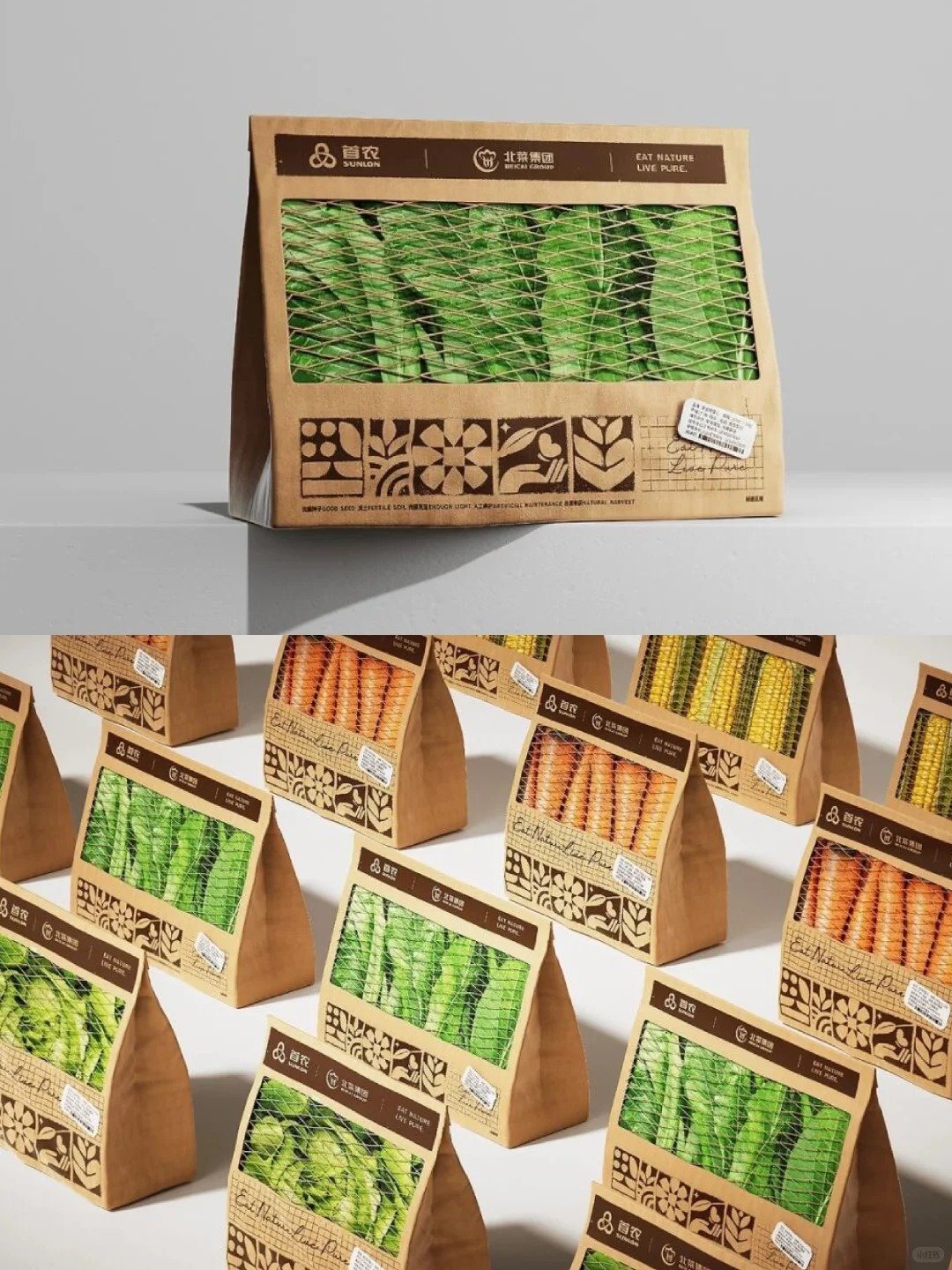
Brand and consumer alignment: Many consumers favor brands that use sustainable packaging.
Here’s a direct comparison of the two approaches:
| Feature | Disposable (Traditional) Packaging | Biodegradable / Sustainable Packaging |
| Materials Used | Petroleum-based plastics, single-use containers, foams, non-recyclable coatings | Plant-based plastics, fiber-based boards, compostable coatings, recycled content |
| Environmental Impact | High waste, slow degradation, more landfill and ocean pollution | Lower waste, designed to degrade or recycle, reduced carbon footprint |
| Cost | Lower upfront cost, well-established supply chain | Higher initial cost but long-term savings and brand benefits |
| Consumer Perception | Less appealing to eco-conscious buyers | Enhances brand reputation, aligns with sustainability values |
| Regulatory Risk | Subject to bans on certain plastics and foams | Complies with green policies and upcoming sustainability standards |
| Functional Performance | Strong barrier protection, proven durability | Improving rapidly with new barrier and compostable technologies |
| Examples in Food Context | Foam trays, plastic sandwich wraps, disposable food containers | Compostable snack pouches, kraft paper food boxes, molded fiber trays |
Which Well-Known Brands Are Users And Beneficiaries Of Environmentally Friendly Food Packaging?
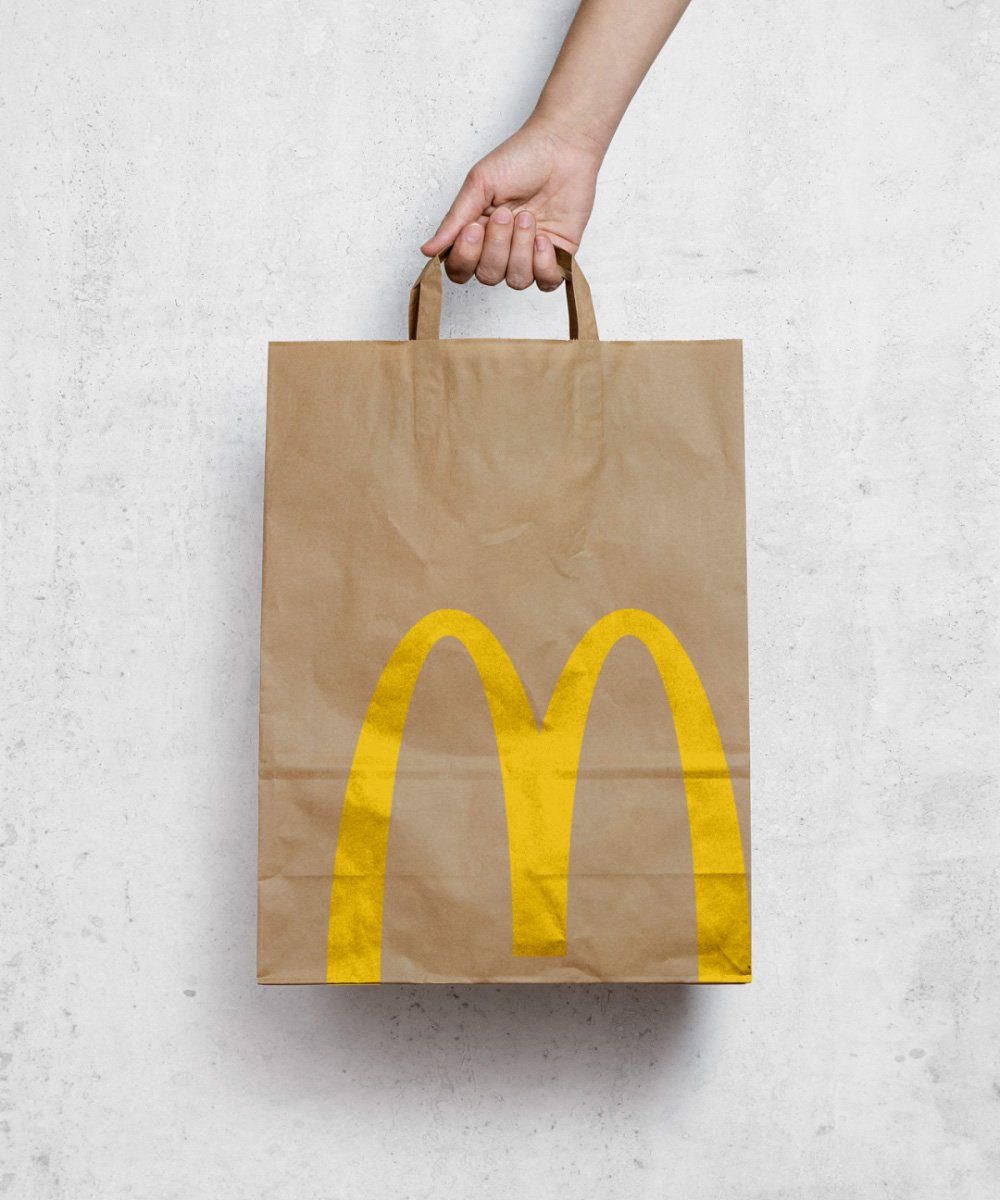
McDonald’s: The Global Chain Set AGoal That By 2025 All Guest Packaging Will Come From Renewable, Recycled Or Certified Sources. Corporate.Mcdonalds.Com+1 Their Licensing Partner In Argentina (ArcosDorados Holdings)Implemented A100% Biodegradable BarrierTechnology (JANUS@) For Hamburger Wrappers And Bags
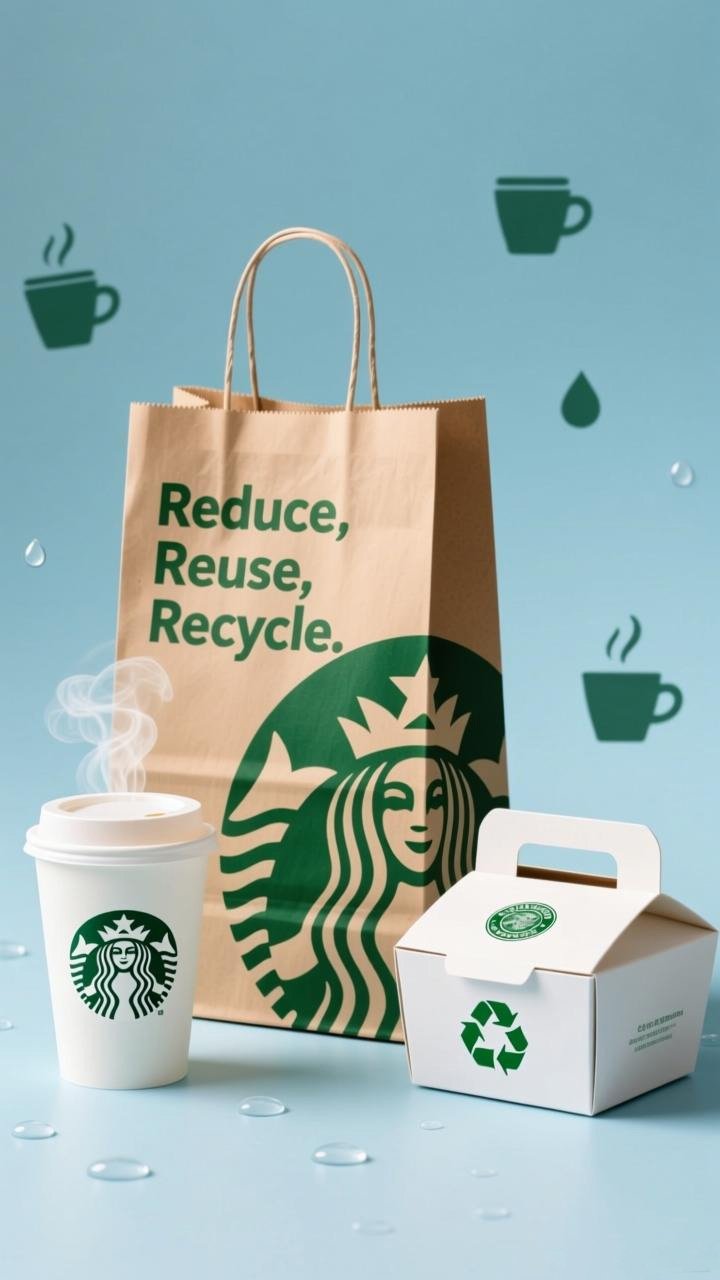
Starbucks: Alongside McDonald’s, Starbucks Invested Through the NextGen Consortium in Food-ServicePackaging packaging Circularity.
Beyond Boxes And Paper Bags: other Packaging Products Suitable For Food
When You Think “Food Packaging”, Boxes And Paper Bags Are Ccommon-But There Are Many Other Product Types You Should Consider:
Packaging For Frozen Food – Frozen Food Packaging Bags, Film wraps, Vacuum Packaging Bags For Food That Allow Long Shelf Life And Preserve Quality.
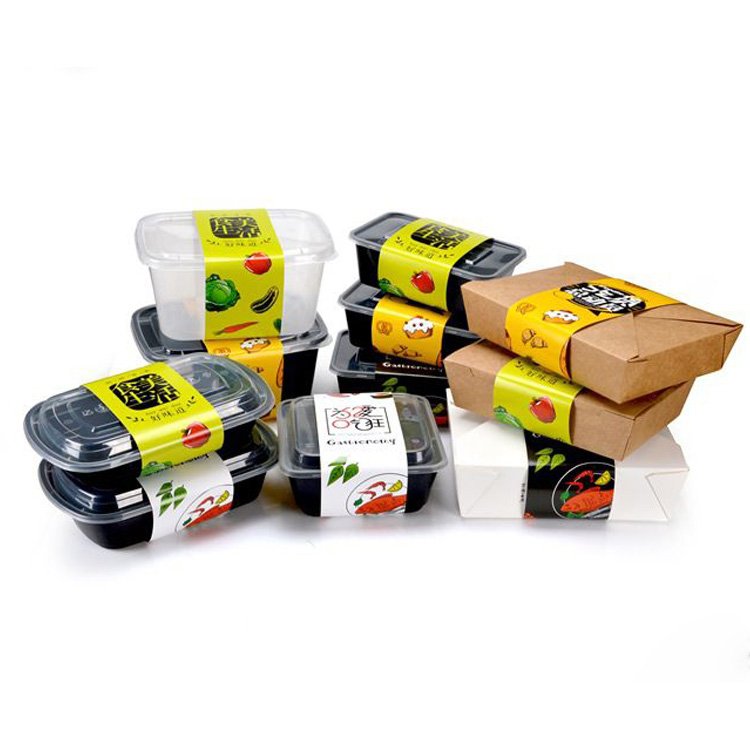
Sleeve Food Packaging – For Cups, Containers, TraysWhere A Sleeve Provides Branding Or Additional Protection.
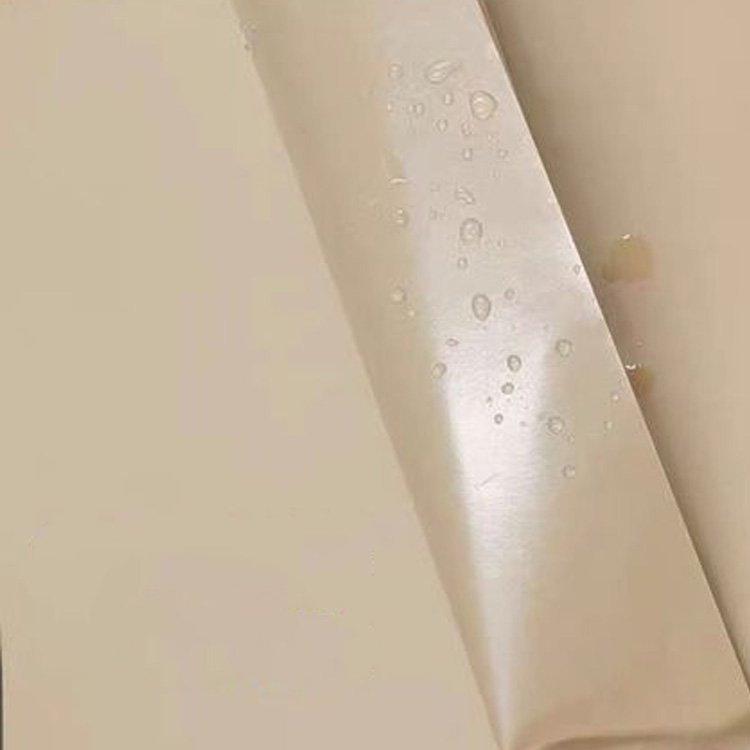
Grease-proof Or Barrier- Coated Paper -For Fatty, oily foods (Greaseproof Paper For Food Packaging, Custom Food Packaging For Nuts). Additional Protection.
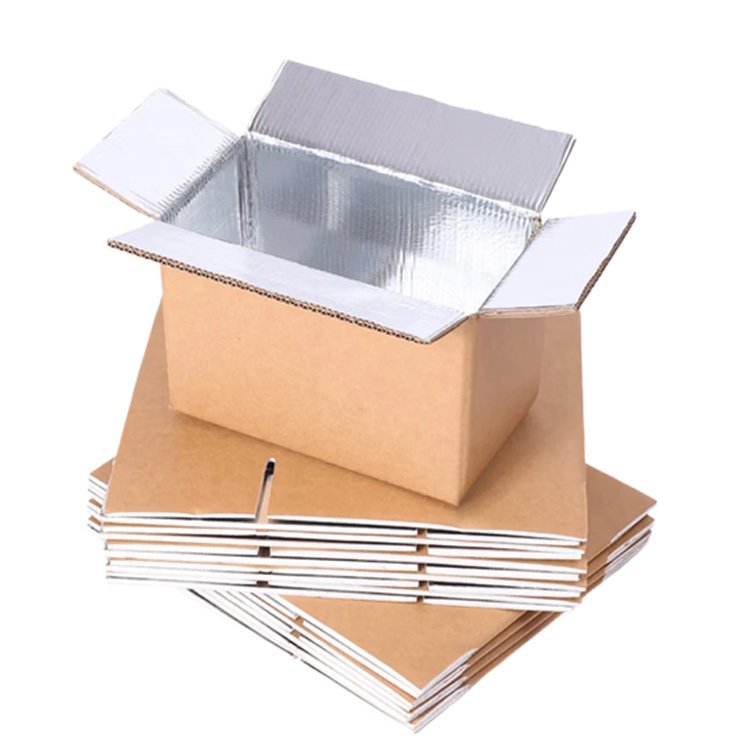
Delivery-0riented Packaging- Food Delivery Packaging, Packaging For Food Ordered Online, Designed For Transport, Insulatio,n And Convenience.
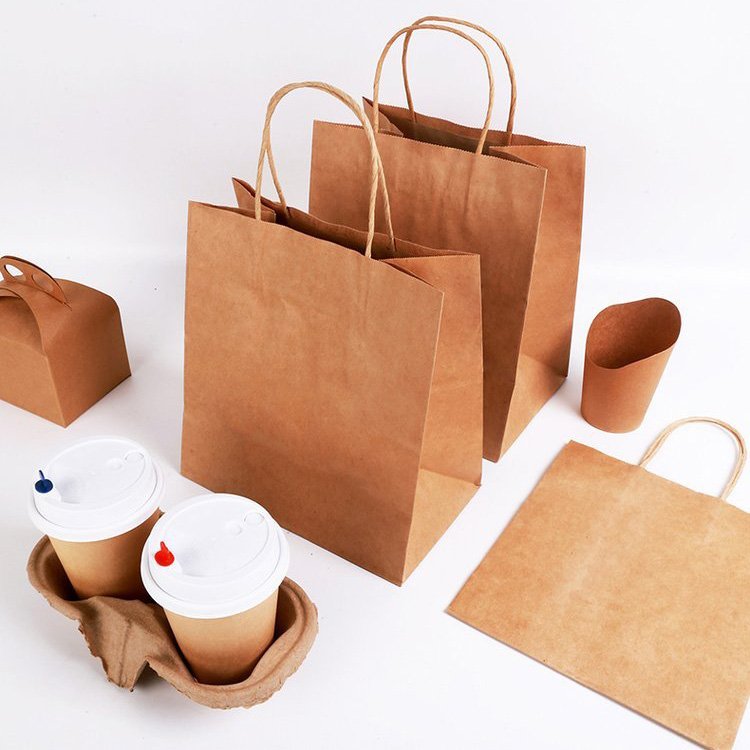
Flexible Pouches And Bags- Food Packaging Bags for Snack Food, Dry Food Packaging, Vacuum Bags, For Convenience, Resealing, and Shelf Life.
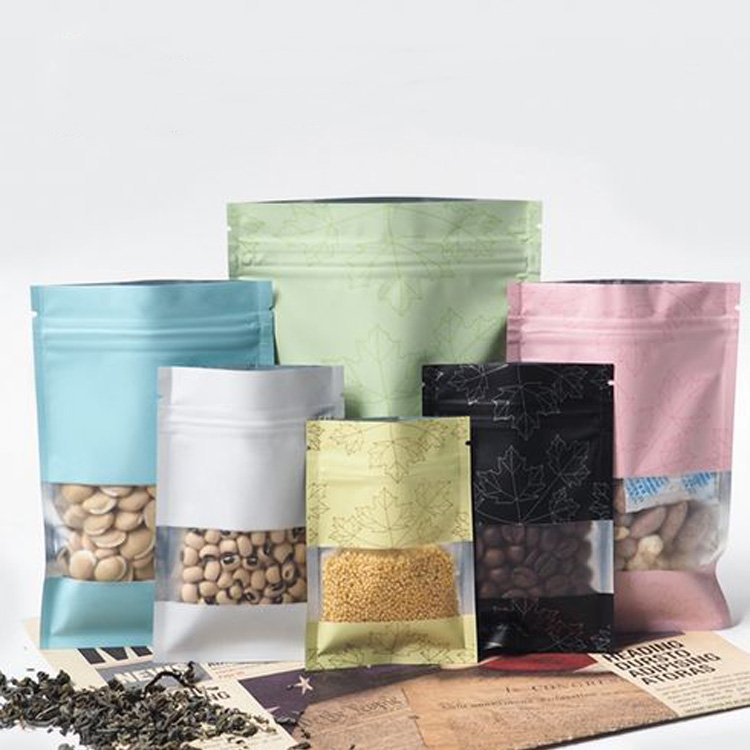
Pet Food Packaging- Eco Friendly Pet Food Packaging, Pet Food Packaging That Meets Standards For Pet Health And Safety.
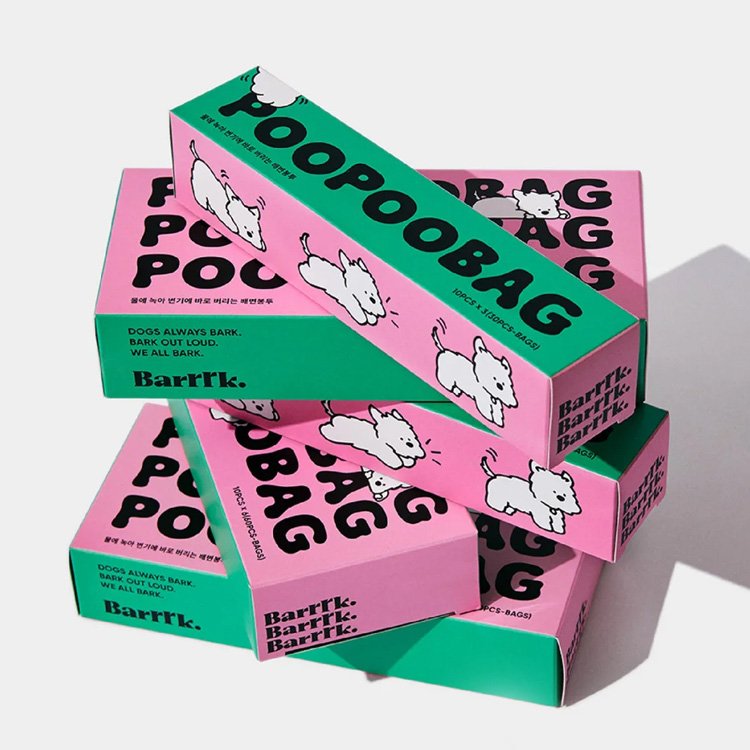
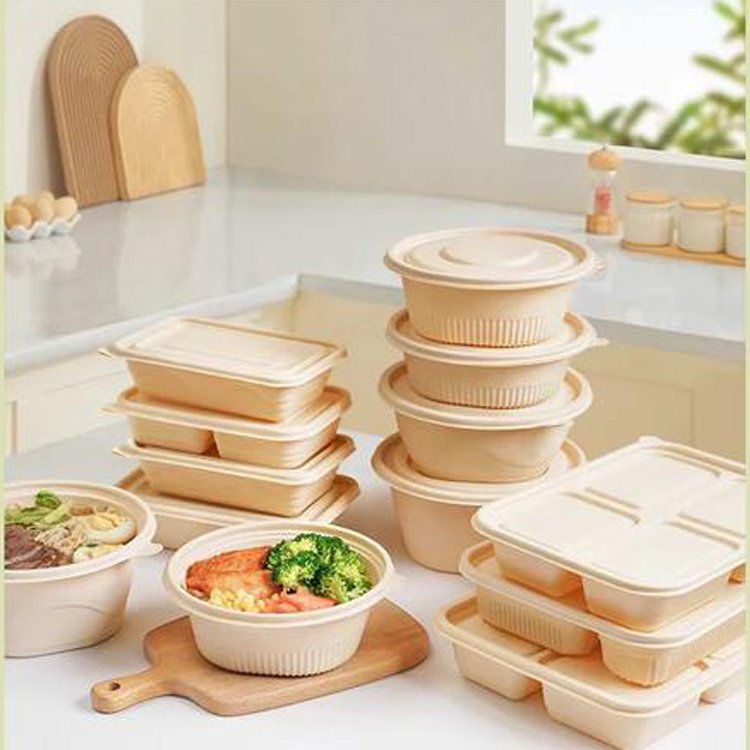
Molded Fiber Or Pulp Packaging- For Takeaway Containers, Trays, Compostable Food Packaging Materials.
Labels And Premium Finish Materials- Premium Label For Food Packaging, Food Packaging Design ,To Enhance Branding.
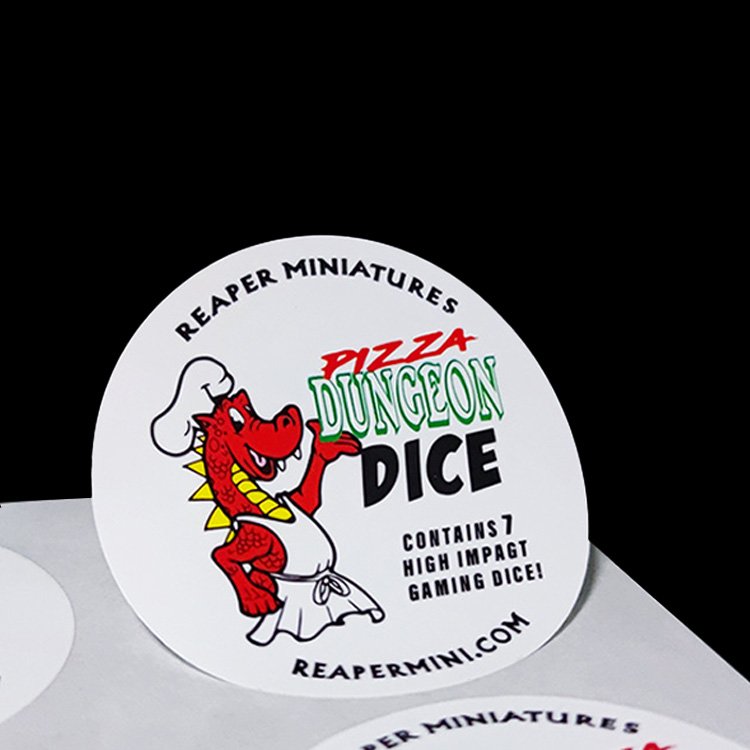
Custom Branded Packaging – Custom Food Packaging Boxes With Logo, Packaging Bags For Food With Branding, Food Packaging Personalized Bakery.
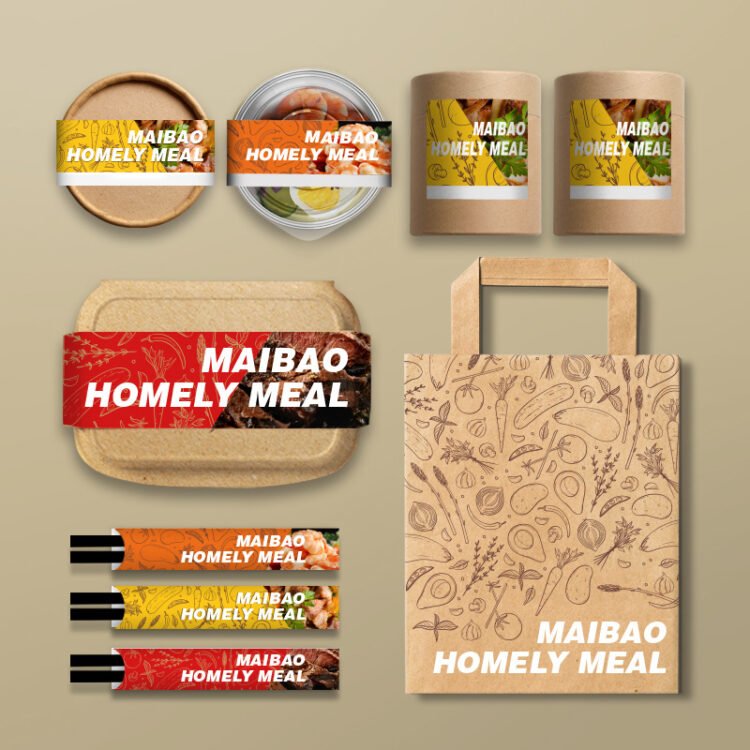
Choosing The Right Food Packaging Involves More Than Selecting A Bag, Box, Or Wrap. You Need To Think About Food Grade Safety, Appropriate Classification, Suitable Materials, Sustainability Objectives, Cost-And-Performance Trade-Offs, And Brand Alignment. With Growing Consumer And Regulatory Pressure For eco-friendly packaging, Transitioning From Traditional Disposable Materials To Biodegradable, Compostable Or Recyclable Solutions Is Highly Advisable. By Doing So, You not only protect your Product-But Also Your Brand Reputation And The Planet.
You don't know how to start customizing? Check Here


We Love to Hear From You
You can write down your detailed requirements in the message, for example, style, material, size, quantity, printing requirements, etc. You can also leave accurate contact information, we will contact you within 24 hours!
Leave A Message